
A strong California personal injury claim is built on evidence.
Even when an accident seems straightforward, insurance companies may dispute how it happened, who was responsible, whether the incident caused the injuries being claimed, or how much those injuries have affected the person’s life.
That is why evidence matters from the earliest stages of a claim through settlement negotiations and, when necessary, trial.
The most useful evidence depends on the type of case, but photographs, video, witness statements, medical records, physical evidence, expert analysis, employment records, and other documentation can all help establish what happened and the losses that followed.
Why Evidence Matters in a California Personal Injury Case
In many personal injury cases, the injured person must establish that another party was legally responsible for the harm and that the responsible conduct caused actual damages.
Evidence helps answer the central questions in the case:
- What happened?
- Who was responsible?
- What injuries were caused by the incident?
- What medical treatment was required?
- How has the injury affected work, daily activities, and quality of life?
- What financial and non-financial losses resulted?
The stronger and more complete the evidence, the harder it may be for an insurance company to minimize or reinterpret the facts.
1. Photographs of the Accident Scene
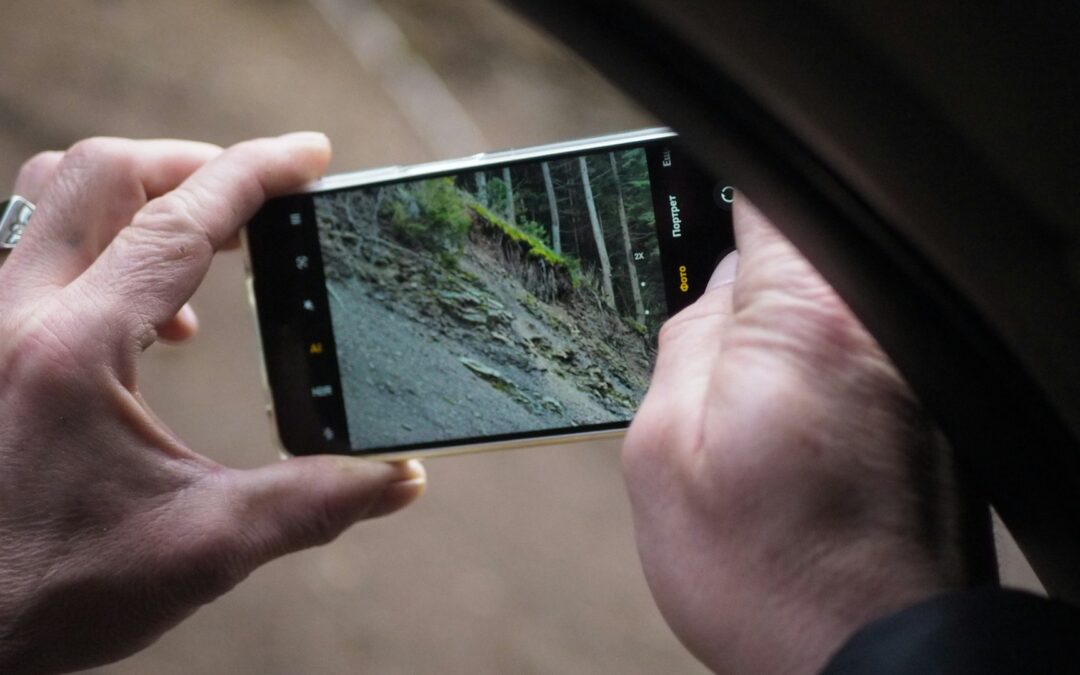
Photographs taken shortly after an accident can preserve details that may later disappear.
Depending on the type of case, useful photographs may show:
- Vehicle positions and damage
- Skid marks or debris
- Traffic signs and signals
- Roadway design or visibility problems
- Lighting and weather conditions
- Unsafe walking surfaces
- Broken stairs, handrails, or flooring
- Construction hazards
- Defective products or components
- Visible injuries
Scene photographs can become especially important when conditions change quickly. Vehicles may be repaired, debris may be removed, a dangerous walkway may be fixed, or a roadway condition may later look very different.
2. Video and Surveillance Footage
Video can provide powerful evidence because it may show the incident itself rather than requiring the parties to reconstruct events from memory.
Possible sources include:
- Traffic cameras
- Dash cameras
- Business surveillance systems
- Residential security cameras
- Doorbell cameras
- Cellphone video
- Public transportation cameras
Video evidence can disappear quickly. Some systems overwrite recordings after a short period of time, which is why identifying and preserving footage early can be important.
3. Witness Statements
Independent witnesses can help confirm how an accident occurred and may provide details the injured person did not see.
A witness may be able to describe a speeding vehicle, an unsafe turn, a dangerous property condition, a missing warning sign, the actions of employees, or what happened immediately before and after the incident.
Witness information is often easiest to obtain at the scene. Memories can fade, and witnesses can become difficult to locate later.
4. Police, Incident, and Accident Reports
Reports can help document that an incident occurred and may identify the people involved, witnesses, insurance information, diagrams, statements, and other details.
A police report is common in a car accident, truck accident, motorcycle collision, bicycle crash, or pedestrian accident. Businesses and property owners may also prepare internal incident reports after a fall or other injury on their premises.
A report does not necessarily decide legal responsibility by itself, but it can become an important part of the overall evidentiary record.
5. Medical Records and Diagnostic Testing
Medical documentation is central to proving the nature and extent of an injury.
Records may include:
- Emergency room records
- Doctor and specialist visits
- X-rays, CT scans, and MRIs
- Surgical records
- Physical therapy records
- Prescription history
- Rehabilitation records
- Future treatment recommendations
Medical records can help connect symptoms and treatment to the accident, show how the condition progressed, document limitations, and support future medical needs.
This becomes especially important in cases involving traumatic brain injuries, spinal injuries, amputations, orthopedic injuries, or other catastrophic injuries.
6. Evidence of Lost Income and Reduced Earning Capacity
An injury can affect more than medical expenses. Serious injuries may prevent someone from working temporarily or permanently.
Evidence of lost income may include:
- Pay stubs
- Tax returns
- W-2 or 1099 forms
- Employer statements
- Time-off records
- Business records for self-employed individuals
- Documentation of missed commissions, bonuses, or overtime
When an injury affects future earning capacity, vocational experts, economists, medical specialists, and employment records may be used to evaluate the long-term financial impact.
7. Physical Evidence
Sometimes the most important evidence is the object involved in the injury.
Examples may include a damaged vehicle, failed tire, defective seatbelt, broken helmet, damaged bicycle, unsafe machinery, defective consumer product, or other component that may help explain why the injury occurred.
In product liability and auto defect cases, preserving the product or vehicle in its post-incident condition can be especially important because experts may need to inspect, test, photograph, or analyze it.
8. Cellphone and Electronic Data
Electronic information can sometimes help establish what a person or vehicle was doing before an accident.
Depending on the facts and what can lawfully be obtained, relevant evidence may include cellphone records, vehicle event data, GPS information, commercial trucking data, electronic logs, or other digital records.
This type of evidence can be important in distracted-driving cases, commercial vehicle crashes, or disputes involving speed, braking, vehicle movement, or driver activity.
9. Maintenance, Inspection, and Safety Records
Some personal injury cases turn on what a business, property owner, government entity, or company knew before an accident occurred.
Records may show prior complaints, inspection schedules, maintenance work, repair history, safety procedures, employee training, or earlier incidents involving the same hazard.
These records can be particularly important in premises liability, construction site, trucking, product, and dangerous roadway cases.
10. Expert Analysis
Serious injury cases often involve questions that require specialized knowledge.
Depending on the case, experts may include:
- Accident reconstruction specialists
- Engineers
- Medical experts
- Biomechanical experts
- Life-care planners
- Vocational rehabilitation experts
- Economists
- Roadway design specialists
- Product engineers
Expert analysis may help explain how an accident occurred, whether a product or roadway was unsafe, how an injury was caused, what future treatment may be needed, or how an injury will affect future earning capacity.
11. Documentation of Pain, Limitations, and Daily Life
Not every loss appears on a medical bill or paycheck.
A serious injury may affect sleep, mobility, hobbies, family responsibilities, independence, social activities, and the ability to perform everyday tasks.
Consistent medical records, testimony from family members or coworkers, photographs, and other documentation can help show the human impact of the injury.
This evidence may be relevant when evaluating pain and suffering damages.
Why Preserving Evidence Early Matters
Evidence can disappear even when no one intends to destroy it.
Surveillance footage may be overwritten. Vehicles may be repaired or sold. A defective product may be discarded. Roadway conditions may change. Property hazards may be fixed. Electronic data may be deleted under routine retention policies.
When a case may involve serious injury, identifying important evidence early can help prevent avoidable gaps later.
In some cases, attorneys may send preservation notices requesting that potentially relevant evidence be retained while the claim is investigated.
Evidence Must Prove More Than Fault
Liability evidence is only one part of a personal injury claim.
A claimant may also need evidence connecting the accident to the injury and documenting the full extent of the resulting damages.
For example, an insurance company may accept that its insured caused a collision but argue that the crash did not cause all of the claimed medical problems. It may also challenge whether future treatment is necessary, whether time away from work was related to the injury, or whether the claimed case value is supported.
That is why strong cases usually include evidence addressing responsibility, causation, and damages together.
What If Some Evidence Is Missing?
Not every case has perfect evidence.
There may be no video, no neutral witness, or no photograph showing the exact moment of the accident. A missing piece of evidence does not automatically prevent a claim.
Cases can be built from multiple forms of direct and circumstantial evidence. Physical damage, medical records, witness testimony, expert analysis, electronic data, timelines, and surrounding circumstances may collectively establish what happened.
The importance of any missing evidence depends on the facts of the case and the other information available.
Frequently Asked Questions About Personal Injury Evidence
There is no single type of evidence that is most important in every case. Photographs, video, witness statements, medical records, physical evidence, expert analysis, and financial documentation may all be important depending on how the accident happened and what issues are disputed.
Yes. Phone photographs can help document vehicle damage, roadway conditions, property hazards, visible injuries, weather, debris, and other details. Their significance depends on what they show and whether their authenticity and context can be established.
A claim can still be supported without an independent eyewitness. Photographs, physical evidence, vehicle damage, surveillance footage, medical records, electronic data, expert analysis, and circumstantial evidence may help establish how the incident occurred.
Potentially important physical evidence should generally not be discarded or altered before its significance is evaluated. In product, vehicle defect, bicycle, helmet, machinery, or equipment cases, the item itself may need to be inspected by experts.
As early as reasonably possible. Conditions change, video can be overwritten, vehicles may be repaired, products can be discarded, and witness memories can fade. Early preservation can help keep important information from being lost.
Building the Evidence Behind a Serious Injury Claim
A personal injury claim is stronger when the facts are supported by clear, organized evidence.
That may require more than collecting medical bills or taking photographs. Serious cases can involve accident reconstruction, expert review, preservation of physical evidence, analysis of electronic data, documentation of future medical care, and proof of long-term financial losses.
The goal is to establish not only who was responsible, but also how the incident caused the injury and what the injury has cost the person physically, financially, and personally.
Ellis Riccobono, LLP represents injured clients in Ventura County, Los Angeles County, and throughout California. The firm’s trial lawyers investigate serious injury cases, preserve evidence, evaluate damages, and prepare claims for trial when necessary.