
California Amputation Injury Lawyer
An amputation injury is a life-altering catastrophic injury that affects every part of a person’s future. When traumatic limb loss is caused by negligence, unsafe workplace conditions, a serious vehicle accident, defective equipment, medical error, or another preventable event, the injured person may have the right to pursue compensation.
At ER Trial Lawyers, our California amputation injury lawyers represent individuals and families facing the lifelong impact of limb loss. We pursue compensation for medical care, prosthetics, rehabilitation, lost income, pain and suffering, long-term support, and the full financial and emotional consequences of the injury.
Common Causes of Amputation Injuries
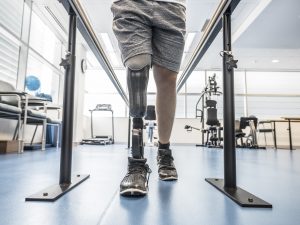
Amputation injuries often result from catastrophic accidents involving extreme force, crushing trauma, severe burns, infection, or loss of blood flow. In many cases, these injuries are preventable and occur because a person, company, property owner, contractor, medical provider, or product manufacturer failed to act responsibly.
Identifying the cause of the amputation is a critical step in determining liability, preserving evidence, and pursuing compensation for the full impact of the injury.
Common causes of amputation injuries include:
- Motor vehicle accidents, including car, truck, motorcycle, bicycle, and pedestrian crashes involving high-impact trauma
- Workplace accidents, such as injuries caused by heavy machinery, industrial equipment, or unsafe jobsite conditions
- Construction site incidents, including falls, crush injuries, equipment malfunctions, and unsafe work areas
- Defective or dangerous products, where faulty design, manufacturing defects, or missing safety warnings lead to severe injury
- Medical malpractice, including surgical errors, delayed diagnosis, improper treatment of infections, or failure to recognize circulation problems
- Serious burns, explosions, or electrical injuries that may require surgical amputation to save a victim’s life
- Dangerous premises or unsafe property conditions that lead to crush injuries, severe trauma, or infection
Understanding how an amputation occurred allows an amputation injury lawyer to determine who may be held legally responsible, what evidence needs to be preserved, and what types of damages may be available.
Types of Amputation Injuries and Loss of Limb
Amputation injuries vary widely in severity, medical complexity, and long-term impact. Some amputations occur immediately at the scene of an accident, while others become medically necessary days or weeks later because of infection, vascular damage, burns, tissue death, or complications from the initial trauma.
Each type of amputation presents unique physical, emotional, and financial challenges for the injured person and their family.
Common types of amputation injuries include:
- Traumatic amputations, where a limb or body part is severed during an accident involving crushing force, cutting machinery, or high-speed collisions
- Surgical amputations, performed when doctors must remove a limb to prevent the spread of infection, treat severe burns, or address irreversible tissue damage
- Partial amputations, involving the loss of fingers, toes, or portions of a hand, foot, arm, or leg
- Complete amputations, where an entire limb is removed above or below a major joint
- Upper-extremity amputations, affecting arms, hands, fingers, or shoulders
- Lower-extremity amputations, involving legs, feet, ankles, or toes
The type and level of amputation can affect mobility, independence, the ability to work, the need for prosthetics, future surgeries, home modifications, rehabilitation, and long-term medical care. The impact may also depend on whether the injury involves the dominant hand, upper extremities, lower extremities, or the injured person’s ability to return to their profession.
An amputation injury lawyer can work with medical experts, prosthetic specialists, vocational experts, and life-care planners to fully evaluate the long-term impact of limb loss.
Long-Term Effects of Amputation Injuries
Amputation injuries cause more than immediate physical trauma. For many victims, the long-term effects impact nearly every part of daily life, from mobility and independence to mental health, employment, family responsibilities, and financial stability.
These challenges often last a lifetime and must be fully considered when pursuing compensation.
Common long-term effects of amputation injuries include:
- Permanent physical limitations, including reduced strength, balance, mobility, and coordination
- Chronic pain, including phantom limb pain, nerve damage, and residual limb discomfort
- Emotional and psychological trauma, including depression, anxiety, post-traumatic stress disorder (PTSD), and loss of self-identity
- Ongoing medical treatment, including surgeries, physical therapy, occupational therapy, and pain management
- Prosthetic-related expenses, including fittings, replacements, maintenance, repairs, and technological upgrades over time
- Home modifications, adaptive equipment, and assistive devices
- Loss of earning capacity, especially when the injury prevents a return to prior employment or limits career advancement
- Reduced quality of life, affecting recreational activities, relationships, independence, and daily routines
Because these effects often evolve over time, compensation must account not only for current medical costs, but also future care, prosthetic needs, adaptive equipment, lost income, loss of earning capacity, and non-economic damages.
An amputation injury lawyer can work with medical experts, prosthetic specialists, vocational experts, and life-care planners to document the full scope of long-term harm and present the true cost of limb loss.
Who Can Be Held Liable for an Amputation Injury?
Amputation injuries are rarely simple accidents. In many cases, they occur because a person, company, property owner, contractor, manufacturer, or medical provider failed to take reasonable steps to protect others from serious harm.
Determining liability is one of the most important parts of building a successful amputation injury claim, especially when multiple parties may have contributed to the accident.
Depending on how the injury occurred, one or more parties may be held legally responsible, including:
- Negligent drivers in car, truck, motorcycle, bicycle, or pedestrian accidents involving severe trauma
- Construction companies, contractors, or subcontractors responsible for unsafe jobsites, defective equipment, or safety violations
- Product manufacturers, when defective or dangerously designed products cause catastrophic injuries
- Property owners who fail to address known hazards that lead to serious accidents
- Maintenance companies or equipment operators whose negligence contributes to crush injuries or traumatic limb loss
- Medical professionals or hospitals in cases involving surgical errors, delayed treatment, misdiagnosis, infection, or failure to recognize circulation problems
- Third parties involved in workplace-related injuries, including contractors, equipment manufacturers, property owners, or other companies separate from the injured worker’s employer
Amputation injury cases often involve complex investigations, multiple defendants, insurance disputes, expert analysis, and significant future damages. An experienced amputation injury lawyer can identify all liable parties, preserve critical evidence, and pursue compensation from every available source.
What to Do After an Amputation Injury
After an amputation injury, protecting your health and preserving evidence are both critical. If you or a loved one has suffered limb loss after an accident, medical complication, workplace incident, defective product, or other preventable event, important steps may include:
- Seek immediate medical treatment and follow all specialist recommendations
- Preserve accident-related evidence, including photos, videos, equipment, vehicles, machinery, or defective products
- Keep medical records, surgical reports, prosthetic estimates, rehabilitation plans, therapy records, and receipts
- Document how the injury affects mobility, work, sleep, daily activities, independence, and emotional well-being
- Track future care needs, including prosthetic fittings, replacements, home modifications, and assistive devices
- Avoid giving recorded statements to insurance companies without legal guidance
- Do not accept a quick settlement before the long-term cost of the injury is understood
- Speak with a California amputation injury lawyer before signing releases or settlement paperwork
Because amputation injuries often involve lifelong care needs, prosthetic replacement costs, future surgeries, emotional trauma, and lost earning capacity, early legal guidance can help ensure the full impact of the injury is properly documented.
Compensation Available for Amputation Injury Victims
An amputation injury often results in overwhelming financial burdens that extend far beyond the initial accident. Because these injuries are permanent and life-changing, compensation must reflect both the immediate losses and the long-term impact on the victim’s future.
Depending on the circumstances of the case, an amputation injury victim may be entitled to compensation for:
- Medical expenses, including emergency care, surgeries, hospital stays, medications, and follow-up treatment
- Future medical care, including rehabilitation, physical therapy, occupational therapy, pain management, and long-term treatment needs
- Prosthetic devices, including initial fittings, replacements, maintenance, repairs, and future technological upgrades
- Lost wages, covering time missed from work during treatment and recovery
- Loss of earning capacity, when the injury limits the ability to return to the same job, career, or level of income
- Pain and suffering, including physical pain, emotional distress, and psychological trauma
- Loss of enjoyment of life, including the inability to participate in activities once enjoyed
- Permanent disability or disfigurement, reflecting the lasting and visible nature of the injury
- Home modifications, assistive devices, and mobility-related expenses
Because insurance companies often attempt to minimize payouts in catastrophic injury cases, it is critical to accurately calculate the full value of damages. Severe amputation injury claims may require medical experts, prosthetic specialists, vocational analysis, life-care planning, and expert testimony to properly document future needs and pursue compensation that reflects the long-term consequences of limb loss.
Why Choose ER Trial Lawyers for an Amputation Injury Case?
Amputation injury cases demand more than basic legal representation. These are catastrophic injury claims that require aggressive advocacy, detailed case preparation, expert analysis, and a willingness to take cases to trial when insurance companies refuse to offer fair compensation.
ER Trial Lawyers is built to handle high-stakes injury cases where the outcome may affect a client’s medical care, financial stability, independence, and quality of life for decades.
When you work with ER Trial Lawyers, you benefit from:
- Experience handling catastrophic injury cases, including amputations, traumatic brain injuries, wrongful death claims, and other life-altering injuries
- Trial-ready representation, so insurers know your case is being prepared for court, not quick settlement pressure
- Thorough case investigation, including liability analysis, medical documentation, expert review, and long-term damage evaluation
- A focus on future needs, including prosthetic costs, rehabilitation, life-care planning, lost earning capacity, and ongoing support
- Personalized legal strategy tailored to the unique medical, financial, and emotional impact of limb loss
- Direct access to your legal team, with clear communication throughout the process
- No fees unless compensation is recovered, so there is no financial risk to pursuing your claim
Amputation injuries permanently change a person’s life. Choosing the right legal team can make a critical difference in securing the compensation needed for long-term care, financial stability, independence, and dignity after a catastrophic injury.
Amputation Injury Lawyers Serving Ventura County and Los Angeles County
ER Trial Lawyers represents amputation injury victims throughout California, including Ventura County and Los Angeles County. With offices in Westlake Village and Manhattan Beach, our firm helps clients and families facing the devastating impact of limb loss after serious accidents and preventable injuries.
Amputation injury cases may arise from car accidents, motorcycle crashes, trucking accidents, bicycle accidents, pedestrian accidents, construction site accidents, defective products, dangerous roadways, unsafe property conditions, workplace-related incidents, medical errors, and other catastrophic events.
These claims often require detailed medical evidence, expert testimony, prosthetic cost analysis, life-care planning, vocational evaluation, and careful assessment of long-term damages.
Whether your amputation injury occurred in Ventura County, Los Angeles County, or elsewhere in California, ER Trial Lawyers can investigate the cause, identify all responsible parties, and pursue the compensation needed for your future.
FAQs: Amputation Injury Lawyer
What qualifies as an amputation injury claim?
An amputation injury claim may arise when the loss of a limb or body part is caused by someone else’s negligence. This may include traumatic amputations from accidents, as well as surgical amputations made necessary by delayed treatment, infections, defective products, unsafe property conditions, workplace-related incidents, or other preventable events.
Can I file a claim if the amputation happened during surgery?
Yes. If a surgical amputation was required because of medical negligence, misdiagnosis, delayed treatment, improper infection care, or a preventable complication, you may have a valid medical malpractice claim. Each case depends on whether the applicable standard of care was violated.
How much is an amputation injury case worth?
The value of an amputation injury case depends on medical costs, future care needs, prosthetic expenses, lost income, loss of earning capacity, pain and suffering, emotional trauma, permanent disability, and how the injury affects the person’s quality of life. Because amputations are permanent and often require lifelong care, these cases may involve substantial compensation.
What compensation is available for prosthetics after an amputation injury?
Compensation may include the cost of prosthetic devices, fittings, repairs, replacements, maintenance, upgrades, rehabilitation, and future prosthetic needs. These costs can be significant and should be included when evaluating the full value of an amputation injury claim.
Who can be held responsible for an amputation injury?
Liability may fall on negligent drivers, construction companies, contractors, subcontractors, product manufacturers, property owners, maintenance companies, medical providers, or third parties involved in workplace-related injuries. An amputation injury lawyer investigates all potential sources of liability to pursue compensation from every available source.
How long do I have to file an amputation injury lawsuit?
The deadline to file an amputation injury lawsuit depends on the statute of limitations and the type of claim involved. Claims involving government entities, medical malpractice, workplace-related injuries, or minors may involve different rules or notice requirements. Because missing a deadline can affect your right to recover compensation, it is important to speak with a lawyer as soon as possible.
What if my amputation injury happened in Ventura County or Los Angeles County?
ER Trial Lawyers represents amputation injury victims throughout California, including Ventura County and Los Angeles County. With offices in Westlake Village and Manhattan Beach, the firm helps clients investigate the cause of limb loss, identify responsible parties, and pursue compensation for medical care, prosthetics, lost income, and long-term support.
Do I have to pay legal fees upfront to hire an amputation injury lawyer?
No. ER Trial Lawyers handles amputation injury cases on a contingency fee basis. This means there are no upfront legal fees, and the firm only gets paid if compensation is recovered on your behalf.
Speak With an Amputation Injury Lawyer Today
An amputation injury changes a person’s life forever. Medical expenses, long-term care, lost income, and emotional trauma can place an overwhelming burden on both victims and their families. If your injury was caused by negligence, you deserve legal representation that understands the seriousness of your case and is prepared to fight for full compensation.
ER Trial Lawyers represents individuals who have suffered catastrophic injuries, including amputations, as a result of preventable accidents. Our legal team is committed to thorough case preparation, aggressive advocacy, and results-driven representation.
There are no upfront costs. You pay nothing unless we recover compensation on your behalf.
Contact ER Trial Lawyers today for a free, confidential consultation and learn how an experienced amputation injury lawyer can help protect your rights and your future.
Contact Our Firm to Learn More
If there is no recovery, then there are never any fees or costs to you.