
California Traumatic Brain Injury Lawyer
A traumatic brain injury can change every part of a person’s life. Even when the injury is not immediately visible, a TBI may affect memory, concentration, speech, balance, mood, sleep, emotional health, independence, and the ability to work.
At ER Trial Lawyers, our California traumatic brain injury lawyers represent individuals and families facing serious brain injuries caused by car accidents, truck accidents, motorcycle crashes, bicycle accidents, pedestrian accidents, falls, construction site accidents, dangerous property conditions, defective products, unsafe roadways, and other preventable incidents.
Brain injury cases require careful investigation, strong medical documentation, and a clear understanding of how the injury affects the person’s daily life and future. Our attorneys work to identify all responsible parties, preserve evidence, consult with qualified experts when needed, and pursue compensation for medical care, future treatment, lost income, reduced earning capacity, pain and suffering, long-term support, and the full impact of the injury.
ER Trial Lawyers prepares serious injury cases with a trial-ready approach. That means we build traumatic brain injury claims from the beginning as though they may need to be proven in court, giving our clients stronger leverage during settlement negotiations and litigation.
We handle traumatic brain injury cases on a contingency fee basis, meaning there are no upfront legal fees, and the firm only gets paid if compensation is recovered on your behalf.
What Is a Traumatic Brain Injury?
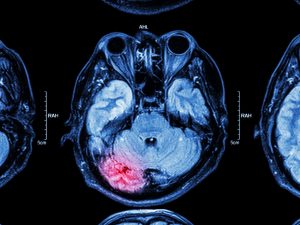
A traumatic brain injury, often called a TBI, occurs when a sudden impact, blow, jolt, or penetrating injury disrupts the normal function of the brain. TBIs can range from concussions and other mild brain injuries to severe trauma that causes permanent cognitive, physical, emotional, or behavioral impairment.
Traumatic brain injuries commonly occur in car accidents, truck accidents, motorcycle crashes, bicycle accidents, pedestrian accidents, falls, construction site accidents, dangerous property incidents, workplace accidents, and violent impacts.
Unlike broken bones, burns, or other visible injuries, brain injuries are not always obvious immediately after an accident. Symptoms may appear hours, days, or even weeks later. In some cases, a person may walk away from an accident believing they are fine, only to later experience headaches, memory problems, mood changes, dizziness, confusion, sleep disruption, or difficulty concentrating.
Because traumatic brain injuries can be difficult to diagnose and easy for insurance companies to minimize, it is important for victims to seek medical care, follow up with specialists, document symptoms, and speak with a California traumatic brain injury lawyer before accepting any settlement.
Mild, Moderate, and Severe Traumatic Brain Injuries
Traumatic brain injuries are often classified as mild, moderate, or severe. However, even a so-called “mild” TBI can cause serious symptoms and long-term disruption.
Mild TBI or Concussion
A mild traumatic brain injury, including a concussion, may involve headaches, dizziness, confusion, nausea, blurred vision, sensitivity to light or sound, memory problems, mood changes, or difficulty concentrating. Some symptoms resolve with treatment and rest, while others may persist for months or longer.
Moderate TBI
A moderate traumatic brain injury may involve a longer loss of consciousness, ongoing cognitive problems, balance issues, emotional changes, sleep problems, speech difficulties, or trouble performing daily activities.
Severe TBI
A severe traumatic brain injury can cause permanent disability, personality changes, loss of independence, seizures, impaired mobility, cognitive decline, or the need for long-term medical care, rehabilitation, supervision, or life care planning.
Why Traumatic Brain Injuries Are Especially Dangerous
Brain injuries are especially serious because they can affect nearly every part of a person’s life. A TBI may interfere with memory, communication, decision-making, mood, behavior, employment, relationships, independence, and quality of life.
Traumatic brain injury cases can be challenging because:
- Symptoms may be delayed or progressive
- The injury may not be visible
- Standard imaging tests may not fully show the damage
- Insurance companies may dispute the severity of symptoms
- Cognitive and emotional changes may be difficult to explain
- Long-term care needs may not be clear immediately
- The full impact may develop over time
Because TBIs are frequently misunderstood or minimized by insurance companies, victims often face challenges proving the cause, severity, and long-term impact of their injuries.
ER Trial Lawyers helps traumatic brain injury victims build strong claims supported by medical records, specialist evaluations, neuropsychological testing, expert opinions, life care planning, wage loss documentation, and evidence showing how the injury has affected daily life and future needs.
Signs and Symptoms of a Traumatic Brain Injury
The symptoms of a traumatic brain injury can vary widely depending on the severity of the injury, the part of the brain affected, and how the injury occurred. In many cases, symptoms do not appear immediately, which is one reason brain injuries are often overlooked, misdiagnosed, or minimized after an accident.
Some people experience symptoms right away. Others may develop problems hours, days, or even weeks later.
Common Physical Symptoms
Physical symptoms of a traumatic brain injury may include:
- Persistent headaches or pressure in the head
- Dizziness or balance problems
- Nausea or vomiting
- Sensitivity to light or noise
- Blurred vision
- Ringing in the ears
- Fatigue
- Sleep disturbances
- Loss of coordination
- Seizures
- Weakness or numbness
- Loss of consciousness
Cognitive Symptoms
A TBI may affect how a person thinks, remembers, communicates, and processes information. Cognitive symptoms may include:
- Memory loss
- Difficulty concentrating
- Confusion
- Slowed thinking
- Difficulty processing information
- Trouble making decisions
- Problems with speech or language
- Difficulty following conversations
- Trouble completing work or daily tasks
Emotional and Behavioral Symptoms
Brain injuries can also affect mood, personality, and behavior. These symptoms may include:
- Mood swings
- Irritability
- Anxiety
- Depression
- Emotional instability
- Personality changes
- Anger or frustration
- Social withdrawal
- Impulsiveness
- Reduced motivation
Delayed Symptoms of a Traumatic Brain Injury
Some traumatic brain injury symptoms may not develop until days or weeks after the accident. Delayed symptoms may include:
- Worsening headaches
- Increased confusion
- Disorientation
- Memory problems
- Trouble sleeping
- Speech or language difficulties
- Emotional changes
- Difficulty working
- Trouble driving
- Problems with balance or coordination
- Changes in personality or behavior
When to Seek Medical and Legal Help
If you or a loved one experiences neurological, cognitive, emotional, or behavioral changes after an accident, medical evaluation is critical. This is especially important after a car accident, fall, motorcycle crash, truck accident, pedestrian accident, bicycle accident, construction accident, or any incident involving a blow to the head.
Emergency warning signs may include worsening headaches, repeated vomiting, seizures, loss of consciousness, confusion, slurred speech, weakness, numbness, unequal pupils, unusual behavior, or difficulty waking up.
From a legal standpoint, early medical documentation can help connect the symptoms to the accident, show how the injury developed, and protect your right to pursue compensation if the traumatic brain injury was caused by negligence.
ER Trial Lawyers helps brain injury victims gather medical records, diagnostic testing, specialist evaluations, symptom history, witness statements, and expert opinions to prove the cause, severity, and long-term impact of a traumatic brain injury.
How Traumatic Brain Injuries Are Diagnosed
Diagnosing a traumatic brain injury can be more complex than diagnosing many other physical injuries. Some TBIs are immediately apparent after an accident, especially when there is loss of consciousness, bleeding, skull fracture, or visible trauma. Others, including concussions and mild to moderate brain injuries, may not show obvious signs right away.
In some cases, early imaging may not fully reflect the severity of the injury. This can lead insurance companies to downplay symptoms, dispute the diagnosis, or argue that the brain injury is not related to the accident.
Doctors may use several tools to evaluate a suspected traumatic brain injury, including:
Neurological Examinations
A neurological exam may assess memory, concentration, reflexes, coordination, balance, vision, speech, strength, sensation, and cognitive function.
CT Scans
CT scans may be used to identify bleeding, swelling, skull fractures, or other urgent injuries after head trauma.
MRI Scans
MRI scans may provide more detailed images and may help detect brain damage that is not visible on a CT scan.
Neuropsychological Testing
Neuropsychological testing can evaluate memory, attention, processing speed, language, reasoning, emotional changes, and other cognitive or behavioral issues caused by a brain injury.
Ongoing Symptom Monitoring
Because TBI symptoms may evolve over time, ongoing medical follow-up is often important. Doctors may monitor headaches, dizziness, memory problems, mood changes, sleep issues, balance problems, and difficulty with work or daily activities.
Normal imaging results do not always end the question. Many traumatic brain injury claims involve symptoms, functional limitations, specialist evaluations, cognitive testing, medical records, and long-term observation.
Why Diagnosis Matters in a Brain Injury Claim
A proper medical diagnosis is critical for treatment and for protecting your legal rights. Medical records can help establish:
- The existence and severity of the brain injury
- The connection between the accident and the symptoms
- The need for future medical care, therapy, rehabilitation, or accommodations
- The impact on work, independence, relationships, and quality of life
- The long-term cost of treatment and support
Insurance companies often rely on early or incomplete evaluations to minimize traumatic brain injury claims. They may argue that symptoms are unrelated, exaggerated, temporary, or unsupported by imaging.
ER Trial Lawyers works to build traumatic brain injury claims with medical records, diagnostic testing, specialist evaluations, neuropsychological testing, life care planning, wage loss evidence, and expert opinions when needed. Our goal is to prove not only that the brain injury occurred, but how it has affected the person’s life and future.
Common Causes of Traumatic Brain Injuries in California
Traumatic brain injuries often result from sudden, forceful impacts caused by another party’s negligence. In California, TBIs are frequently linked to preventable accidents that leave victims facing long-term medical treatment, lost income, cognitive changes, emotional harm, and permanent life changes.
Common causes of traumatic brain injuries include:
Car Accidents
Car crashes can cause traumatic brain injuries when the head strikes a window, steering wheel, dashboard, headrest, airbag, or another object. A TBI can also occur from the violent back-and-forth motion of a crash, even without a direct blow to the head.
Truck Accidents
Commercial truck accidents often involve extreme force because of the size and weight of large trucks. Victims may suffer brain injuries in crashes involving tractor-trailers, delivery trucks, commercial vehicles, and other heavy vehicles.
Motorcycle Accidents
Motorcyclists are especially vulnerable to head injuries because they have limited protection during a crash. Motorcycle-related TBIs may occur when a rider is thrown from the bike, strikes the pavement, hits another vehicle, or is injured by an unsafe roadway condition.
Bicycle and Pedestrian Accidents
Bicyclists and pedestrians can suffer severe brain injuries when struck by negligent drivers, thrown onto pavement, hit in intersections, or injured by unsafe road conditions.
Slip-and-Fall and Trip-and-Fall Accidents
Falls are a common cause of brain injuries, especially when someone strikes their head on the ground, stairs, flooring, pavement, furniture, or another hard surface. These cases may involve unsafe property conditions, poor lighting, broken stairs, wet floors, uneven walkways, or failure to warn about hazards.
Construction Site Accidents
Construction workers and visitors may suffer TBIs from falls, falling objects, equipment failures, vehicle accidents, scaffolding incidents, unsafe work zones, or other construction site hazards.
Dangerous Roadway Conditions
Unsafe road design, potholes, missing signs, poor lighting, lack of barriers, defective guardrails, debris, unsafe curves, and dangerous intersections can contribute to crashes that cause traumatic brain injuries.
Defective Products
Defective vehicles, helmets, safety equipment, machinery, tools, airbags, seatbelts, tires, or other products may cause or worsen a traumatic brain injury. These cases may involve product liability claims against manufacturers, distributors, retailers, or other responsible parties.
Assaults and Negligent Security Incidents
Violent acts, assaults, shootings, robberies, or attacks can cause serious head trauma. In some cases, a property owner, business, landlord, or security company may be liable if inadequate security contributed to the incident.
How Liability Is Established in TBI Cases
To recover compensation in a traumatic brain injury case, it must be shown that another party’s negligence, unsafe conduct, defective product, dangerous property condition, or failure to act caused or contributed to the brain injury.
This may involve proving:
- Negligent driving
- Traffic violations
- Unsafe property conditions
- Failure to repair or warn about hazards
- Inadequate security
- Construction site safety failures
- Dangerous roadway conditions
- Defective product design
- Manufacturing defects
- Failure to provide proper warnings or instructions
- Employer, contractor, property owner, or third-party negligence
Identifying all responsible parties is especially important in traumatic brain injury cases because the damages can be substantial and long-term. A TBI claim may involve multiple defendants, insurance policies, medical experts, accident reconstruction experts, life care planners, and evidence showing how the injury affects the victim’s future. Medical records, testimony about changes in daily functioning, employment records, and a documented prognosis can help establish the extent of the loss. Learn more about evidence used to prove a California personal injury claim.
ER Trial Lawyers investigates traumatic brain injury cases carefully to determine what caused the injury, who may be responsible, what insurance coverage may apply, and what compensation is needed for the victim’s recovery and long-term care.
Compensation Available for Traumatic Brain Injury Victims
A traumatic brain injury can create overwhelming financial, physical, emotional, and family burdens. Because TBIs may require long-term care, ongoing therapy, future medical treatment, and major lifestyle changes, compensation must account for more than immediate medical bills.
The value of a traumatic brain injury claim depends on the severity of the injury, the long-term prognosis, the impact on daily life, the ability to work, the need for future care, and the available insurance coverage.
Compensation in a traumatic brain injury case may include:
Medical Expenses
TBI victims may be entitled to compensation for emergency care, hospitalization, diagnostic testing, surgery, medication, follow-up appointments, neurological evaluations, rehabilitation, and specialist care.
Future Medical Care
Many traumatic brain injuries require ongoing treatment. Future medical damages may include neurological care, cognitive therapy, physical therapy, occupational therapy, speech therapy, psychological counseling, medication management, and long-term monitoring.
Lost Wages
If a brain injury prevents the victim from working during recovery, compensation may include lost income, missed work, lost employment benefits, and other wage-related losses.
Reduced Earning Capacity
A TBI may affect memory, concentration, communication, decision-making, mood, stamina, and the ability to perform job duties. When the injury limits future work ability, compensation may include loss of future earning capacity.
Pain and Suffering
Pain and suffering damages may account for physical pain, headaches, dizziness, fatigue, sleep disruption, discomfort, and the overall impact of the injury on daily life.
Emotional Distress
Brain injuries can cause anxiety, depression, irritability, personality changes, PTSD, emotional instability, and other psychological harm. These effects can be especially difficult for victims and families to manage.
Loss of Enjoyment of Life
A traumatic brain injury may limit a person’s ability to participate in hobbies, family activities, social events, exercise, travel, work, and other parts of life they previously enjoyed.
Permanent Disability or Impairment
Serious TBIs may result in permanent cognitive, physical, emotional, or behavioral impairments. Compensation may reflect loss of independence, reduced mobility, impaired communication, memory loss, or the need for lifelong support.
Long-Term Care and Life Care Planning
Severe brain injuries may require in-home care, assisted living, skilled nursing care, home modifications, vehicle modifications, assistive devices, supervision, transportation help, and structured life care planning.
Out-of-Pocket Expenses
Additional damages may include transportation costs, caregiving expenses, medical equipment, home assistance, missed appointments, household help, and other injury-related costs.
Wrongful Death Damages
If a traumatic brain injury results in death, surviving family members may be able to pursue a wrongful death claim for funeral and burial expenses, loss of financial support, loss of household services, and loss of companionship, care, comfort, and guidance.
Because insurance companies often undervalue traumatic brain injury claims, especially when symptoms are delayed or not visible on imaging, it is critical to pursue compensation that reflects the full long-term impact of the injury.
ER Trial Lawyers works with medical professionals, neuropsychologists, life care planners, economists, vocational experts, and other specialists when needed to document the true cost of a traumatic brain injury.
Why Choose ER Trial Lawyers for Your Traumatic Brain Injury Case?
Traumatic brain injury cases require more than surface-level legal representation. These claims often involve complex medical evidence, disputed diagnoses, delayed symptoms, neuropsychological testing, life care planning, future medical needs, and aggressive insurance defense tactics.
At ER Trial Lawyers, we are built to handle serious injury cases. Our attorneys prepare traumatic brain injury claims with the level of detail, evidence, and trial readiness needed to pursue full compensation when insurance companies refuse to be fair.
We represent brain injury victims and families throughout Ventura County, Los Angeles County, and across California.
Trial-Ready Representation
We prepare every traumatic brain injury case as though it may need to be proven in court. This approach strengthens the case during settlement negotiations and ensures we are ready to move forward when defendants or insurance companies dispute liability, damages, or future care needs.
Experience With Complex Injury Claims
Brain injury cases require a clear understanding of medical records, diagnostic testing, cognitive symptoms, expert testimony, long-term damages, and how a TBI affects daily life. ER Trial Lawyers builds these cases with attention to both the medical evidence and the human impact of the injury.
Focused on the Full Impact of the Injury
A traumatic brain injury may affect memory, concentration, communication, mood, sleep, employment, relationships, independence, and quality of life. We take the time to understand how the injury has changed the client’s life, not just what appears in the medical bills.
Access to Qualified Experts
When needed, our firm works with medical professionals, neurologists, neuropsychologists, life care planners, vocational experts, economists, accident reconstruction experts, and other specialists to help prove the cause, severity, and long-term impact of the injury.
Strong Advocacy Against Insurance Companies
Insurance companies often attempt to minimize TBI claims by questioning symptoms, downplaying diagnoses, disputing future care needs, or arguing that the injury is unrelated to the accident. Our attorneys push back with evidence, expert support, medical documentation, and trial-ready preparation.
No Upfront Legal Fees
ER Trial Lawyers handles traumatic brain injury cases on a contingency fee basis. That means there are no upfront legal fees, and the firm only gets paid if compensation is recovered on your behalf.
Our goal is to pursue compensation that reflects the full scope of the injury, including medical care, future treatment, lost income, reduced earning capacity, pain and suffering, emotional distress, long-term support, and the lasting impact on the victim and family.
Traumatic Brain Injury Lawyers Serving Ventura County and Los Angeles County
ER Trial Lawyers represents traumatic brain injury victims throughout California, including Ventura County and Los Angeles County. With offices in Westlake Village and Manhattan Beach, our firm helps individuals and families facing serious brain injuries after car accidents, truck accidents, motorcycle crashes, pedestrian accidents, bicycle accidents, falls, dangerous roadway incidents, construction site accidents, workplace accidents, unsafe property conditions, defective products, and other preventable events.
Brain injury cases often require detailed medical documentation, expert analysis, diagnostic testing, neuropsychological evaluations, life care planning, and a clear understanding of how the injury affects memory, concentration, cognition, mood, communication, work, independence, and long-term quality of life.
In Ventura County, we represent traumatic brain injury victims in Westlake Village, Thousand Oaks, Camarillo, Oxnard, Ventura, Simi Valley, Moorpark, and surrounding communities.
In Los Angeles County, we help brain injury victims in Manhattan Beach, the South Bay, Los Angeles, Santa Monica, Torrance, Long Beach, Pasadena, Burbank, Glendale, and surrounding areas.
Whether your traumatic brain injury occurred on a freeway, local road, job site, construction site, sidewalk, business property, apartment complex, public property, dangerous roadway, or another location, ER Trial Lawyers can investigate what happened, identify all responsible parties, preserve evidence, and pursue compensation that reflects the full impact of the injury.
Our attorneys help clients seek compensation for medical expenses, future treatment, rehabilitation, lost income, reduced earning capacity, pain and suffering, emotional distress, long-term care, and the lasting effect of a traumatic brain injury on the victim and family.
Frequently Asked Questions About Traumatic Brain Injuries
What is considered a traumatic brain injury?
A traumatic brain injury, or TBI, occurs when a sudden blow, jolt, impact, or penetrating injury disrupts normal brain function.
TBIs can range from concussions to severe brain injuries that cause lasting cognitive, physical, emotional, or behavioral impairments.
Can you have a traumatic brain injury without losing consciousness?
Yes. Many traumatic brain injuries, including concussions, can occur without loss of consciousness.
Symptoms may still be serious, delayed, and long-lasting, even if the injured person never blacked out.
How long after an accident can TBI symptoms appear?
Traumatic brain injury symptoms may appear immediately or develop hours, days, or weeks after an accident.
Delayed symptoms may include headaches, dizziness, memory problems, mood changes, confusion, sleep disruption, and difficulty concentrating.
What if my CT scan or MRI was normal?
Normal imaging does not always rule out a traumatic brain injury.
Some TBIs may be diagnosed through symptoms, neurological examinations, neuropsychological testing, specialist evaluations, and ongoing medical observation, even when standard imaging does not clearly show damage.
What types of accidents cause traumatic brain injuries?
Traumatic brain injuries commonly result from car accidents, truck accidents, motorcycle crashes, pedestrian accidents, bicycle accidents, slip-and-fall accidents, construction site injuries, workplace incidents, dangerous roadway crashes, assaults, negligent security incidents, and defective products.
How much is a traumatic brain injury case worth?
The value of a traumatic brain injury case depends on factors such as the severity of the injury, medical expenses, future care needs, lost income, reduced earning capacity, pain and suffering, permanent impairment, and the long-term impact on daily life.
Severe brain injury cases may involve substantial compensation because the effects can last a lifetime.
How long do I have to file a traumatic brain injury lawsuit in California?
In many California personal injury cases, injury victims generally have two years from the date of injury to file a lawsuit. California Courts notes that personal injury cases usually have a two-year deadline, while government-related claims can involve shorter deadlines.
Some traumatic brain injury cases may involve shorter deadlines, especially claims involving government entities, dangerous roadways, public property, or public vehicles. California Courts explains that claims against government agencies generally require a government claim before filing a lawsuit.
Do traumatic brain injury cases usually settle or go to trial?
Many traumatic brain injury cases settle, but insurance companies may dispute the cause, severity, or long-term impact of the injury.
A trial-ready law firm can prepare the case for settlement negotiations while remaining ready to take the case to court if the insurance company refuses to offer fair compensation.
Is there a cost to speak with ER Trial Lawyers about a traumatic brain injury case?
No. ER Trial Lawyers offers free consultations and handles traumatic brain injury cases on a contingency fee basis.
That means there are no upfront legal fees, and the firm only gets paid if compensation is recovered on your behalf.
Speak With a California Traumatic Brain Injury Lawyer Today
If you or a loved one has suffered a traumatic brain injury due to someone else’s negligence, you do not have to face the legal process alone. Traumatic brain injuries can have lasting effects on your health, career, and quality of life, and insurance companies often work quickly to minimize or deny valid claims.
ER Trial Lawyers represents traumatic brain injury victims throughout California and fights for full and fair compensation for medical care, future treatment, lost income, and long-term support. We offer free consultations, and there are no fees unless we recover compensation for you.
Contact us today to discuss your traumatic brain injury case and learn how we can help.
Contact Our Firm to Learn More
If there is no recovery, then there are never any fees or costs to you.