
California Wildfire Lawyer
Wildfires can cause devastating losses across California, leaving families, homeowners, renters, business owners, and entire communities facing destroyed property, displacement, personal injuries, emotional trauma, business interruption, and wrongful death.
At ER Trial Lawyers, our California wildfire lawyers represent victims in complex, high-stakes wildfire litigation involving utility companies, corporations, contractors, public entities, insurers, and other potentially responsible parties. We help wildfire victims pursue compensation for property damage, rebuilding costs, smoke and ash damage, temporary housing, lost income, business losses, personal injuries, and the long-term impact of catastrophic fires.
Wildfire cases require detailed investigation, expert analysis, damage documentation, insurance review, and a clear understanding of how fire losses affect victims immediately and far into the future. These cases may involve utility infrastructure, power lines, vegetation management, equipment failures, fire prevention issues, evacuation concerns, insurance disputes, and claims against large companies or government entities.
ER Trial Lawyers has helped recover more than $1.7 billion for wildfire victims. As experienced trial lawyers, we prepare wildfire cases as if they may need to be proven in court, giving our clients stronger leverage during negotiations and litigation.
We handle wildfire litigation cases on a contingency fee basis, meaning there are no upfront legal fees, and the firm only gets paid if compensation is recovered on your behalf.
What Causes Wildfires in California?
Wildfires in California can spread rapidly because of drought, dry vegetation, high winds, steep terrain, and extreme fire-weather conditions. However, many catastrophic wildfire claims involve allegations that the fire was caused or worsened by preventable conduct, unsafe equipment, infrastructure failures, poor maintenance, or a failure to follow reasonable fire-prevention practices.
Identifying the cause of a wildfire is one of the most important steps in wildfire litigation. The cause can determine who may be legally responsible, what evidence must be preserved, what claims may be available, and whether victims may be able to pursue compensation beyond insurance coverage.
One of the most serious causes of catastrophic wildfires is utility equipment failure. Power lines, transmission equipment, electrical infrastructure, transformers, poles, and related equipment can create ignition risks when they are not properly inspected, repaired, maintained, operated, or de-energized during dangerous weather conditions. When utility companies fail to take reasonable safety precautions, a single spark can lead to widespread destruction.
Wildfires may also be caused or worsened by improper vegetation management. Utilities, contractors, landowners, public entities, and property managers may have responsibilities related to brush clearance, tree trimming, defensible space, equipment access, and fire prevention. When dry vegetation is allowed to accumulate near power lines, structures, roadways, or high-risk areas, it can become fuel that allows a fire to spread more quickly.
In other cases, wildfires may be connected to construction activity, heavy machinery, industrial operations, vehicle fires, welding, grinding, equipment malfunctions, unsafe work practices, or defective products. Contractors, businesses, and property owners operating in wildfire-prone areas must take precautions appropriate to the conditions. Failing to do so may support a claim for negligence when their actions or inaction contribute to a fire.
Determining the cause of a wildfire often requires a detailed investigation involving fire origin analysis, expert review, witness statements, weather data, burn patterns, utility records, maintenance logs, inspection records, vegetation management records, safety protocols, and communication records.
ER Trial Lawyers investigates wildfire cases carefully to determine how the fire started, how it spread, who may be responsible, and what compensation may be available for victims. Because wildfire litigation often involves large utilities, corporations, insurers, and public entities, early investigation is critical to protecting evidence and building a strong claim.
Who Can Be Held Liable in a Wildfire Lawsuit?
Wildfire litigation focuses on identifying the parties whose negligence, equipment, operations, or failure to act caused or contributed to the fire and the resulting damage. Because wildfires can spread across large areas and involve multiple ignition, maintenance, infrastructure, and response issues, liability is often complex.
In many cases, more than one party may share responsibility. Determining who can be held liable requires a detailed investigation into the fire’s origin, how it spread, what safety failures occurred, and whether preventable conduct contributed to the losses suffered by victims.
Potentially liable parties in a California wildfire lawsuit may include:
Utility Companies
Utility companies are often a major focus in California wildfire litigation. Electric utilities may be responsible for maintaining power lines, transmission equipment, electrical infrastructure, poles, transformers, vegetation clearance, and safety systems.
When utility equipment fails, power lines contact vegetation, inspections are inadequate, maintenance is delayed, or equipment is not de-energized during extreme fire conditions, utility companies may face claims for negligence, inverse condemnation, nuisance, trespass, or other wildfire-related causes of action.
Contractors and Maintenance Companies
Contractors may be liable when their work contributes to wildfire risk. This may include utility maintenance contractors, tree-trimming companies, vegetation management contractors, construction crews, repair companies, inspection contractors, and companies responsible for equipment maintenance or land clearing.
If a contractor performs unsafe work, fails to follow fire-prevention rules, ignores hazardous conditions, or leaves dangerous materials or vegetation in place, that contractor may share responsibility for resulting fire damage.
Corporations and Private Businesses
Private companies may be held accountable when their operations create or worsen wildfire risks. Industrial facilities, energy companies, agricultural operations, construction companies, transportation companies, and businesses using heavy machinery in fire-prone areas must take reasonable precautions to prevent sparks, equipment failures, and unsafe work practices.
A company may be liable if welding, grinding, vehicle use, machinery, electrical equipment, poor operational planning, or failure to follow safety protocols contributes to a wildfire.
Public Entities
Government agencies, municipalities, counties, water districts, transportation agencies, fire agencies, or other public entities may be involved in certain wildfire claims when public infrastructure, land management, road access, emergency response, evacuation warnings, vegetation control, or fire-prevention responsibilities contributed to preventable harm.
Claims involving public entities can involve additional legal requirements and shorter notice deadlines, so victims should seek legal guidance quickly if a government entity may be involved.
Property Owners and Land Managers
Private landowners, commercial property owners, homeowners associations, landlords, property managers, and land management companies may be responsible if dangerous property conditions contributed to a wildfire or allowed it to spread. This may include failure to maintain vegetation, failure to address known hazards, unsafe access roads, inadequate fire breaks, or failure to comply with applicable safety duties.
Equipment Manufacturers
If defective equipment contributed to the ignition or spread of a wildfire, manufacturers, distributors, or sellers may also be investigated. Product liability claims may involve defective electrical components, utility equipment, vehicles, generators, batteries, tools, machinery, warning systems, or fire-prevention devices.
Determining Liability After a Wildfire
Determining who can be held liable in a wildfire lawsuit often requires tracing the fire’s origin, reviewing physical evidence, analyzing burn patterns, examining weather and wind conditions, reviewing maintenance and inspection records, evaluating utility equipment, investigating vegetation management, and identifying every party connected to the fire’s ignition or spread.
ER Trial Lawyers investigates wildfire cases carefully to determine who may be responsible, what legal claims may be available, and what compensation victims may be able to pursue. Our trial-ready approach allows us to take on utilities, corporations, insurers, public entities, contractors, and other powerful defendants when their negligence causes catastrophic wildfire losses.
Types of Damages Available in Wildfire Litigation
Wildfires can cause life-changing losses that extend far beyond the immediate damage caused by flames. In California wildfire litigation, victims may be able to pursue compensation for both economic and non-economic damages, depending on how the fire affected their property, health, income, business, family, and long-term recovery.
Because wildfire losses are often extensive, damages must be carefully documented. Insurance may cover some losses, but it may not fully account for rebuilding costs, displacement, smoke and ash damage, business interruption, personal injuries, emotional trauma, or the full impact of a catastrophic fire.
Potential damages in a wildfire lawsuit may include:
Property Damage
Property damage is one of the most common losses in wildfire litigation. Homeowners, renters, landlords, and property owners may seek compensation for destroyed or damaged homes, rental properties, businesses, garages, sheds, vehicles, landscaping, fencing, trees, equipment, and other structures or improvements.
Personal Property Losses
Wildfire victims may also recover compensation for personal belongings destroyed or damaged by fire, smoke, ash, soot, or water. This may include furniture, clothing, electronics, appliances, tools, family items, household goods, business inventory, and other valuable personal property.
Rebuilding, Repair, and Debris Removal Costs
When homes or businesses are damaged or destroyed, victims may face significant costs for debris removal, cleanup, repairs, reconstruction, code upgrades, permitting, architectural work, inspections, and replacement materials. These costs can exceed insurance limits, especially when rebuilding prices rise after a major disaster.
Temporary Housing and Loss of Use
Many wildfire victims are displaced for weeks, months, or longer. Compensation may include temporary housing, rent, hotel stays, meals, transportation, storage, relocation costs, and loss of use of the property while repairs or rebuilding are underway.
Smoke, Ash, Soot, and Contamination Damage
Even properties that do not burn may suffer serious smoke, ash, soot, water, and contamination damage. These losses may require professional cleaning, environmental testing, remediation, replacement of damaged belongings, HVAC cleaning, odor removal, and repairs to make the property safe and usable again.
Personal Injury Damages
Personal injury damages may be available to victims who suffered burns, smoke inhalation, respiratory injuries, evacuation injuries, traumatic injuries, or other physical harm caused by a wildfire. Compensation may include emergency care, hospitalization, surgery, rehabilitation, medication, future medical care, lost wages, reduced earning capacity, pain and suffering, and long-term medical needs.
Business Interruption and Lost Income
Wildfires can be devastating for business owners, employees, independent contractors, and self-employed individuals. Damages may include lost profits, lost income, damaged inventory, destroyed equipment, relocation expenses, operating expenses, employee disruption, supply chain losses, and the long-term financial impact of being forced to close, move, or rebuild.
Emotional Distress and Loss of Quality of Life
Wildfire victims may suffer emotional distress, anxiety, trauma, grief, inconvenience, loss of community, loss of security, disruption of daily life, and loss of enjoyment of their home or property. These non-economic damages are especially important when a wildfire causes displacement, severe personal loss, or long-term psychological harm.
Wrongful Death Damages
In the most tragic wildfire cases, families lose loved ones. Surviving family members may be able to pursue a wrongful death claim for funeral and burial expenses, loss of financial support, loss of household services, and loss of companionship, care, comfort, guidance, and support.
Why Full Damage Documentation Matters
Wildfire claims are often undervalued when victims focus only on immediate property damage or early insurance estimates. The full cost of recovery may include future rebuilding expenses, underinsured losses, long-term displacement, personal injuries, emotional trauma, business losses, and damages that may not be obvious in the first days or weeks after the fire.
ER Trial Lawyers works to document the full scope of wildfire damages, evaluate available insurance coverage, identify responsible parties, and pursue compensation that reflects both the immediate and long-term impact of the fire.
Who Is Eligible to File a Wildfire Litigation Claim?
Eligibility to file a wildfire litigation claim in California depends on how the wildfire affected a person’s property, health, income, business, family, or daily life. Because major wildfires often impact entire communities, many different types of victims may have the right to pursue compensation.
A wildfire claim does not always require total property loss. Victims may have claims for destroyed homes, damaged property, smoke and ash contamination, evacuation expenses, displacement, business interruption, personal injuries, emotional distress, wrongful death, or other fire-related losses.
Potential wildfire claimants may include:
Homeowners
Homeowners may be eligible to file a wildfire claim if their primary residence, secondary home, rental property, land, structures, landscaping, trees, vehicles, or personal property was damaged or destroyed.
Claims may include rebuilding costs, repair costs, debris removal, smoke damage, loss of use, temporary housing, underinsured losses, and other expenses related to restoring or replacing what was lost.
Renters
Renters may also have valid wildfire claims, even if they did not own the property that burned. Renters may suffer significant losses involving personal belongings, furniture, clothing, electronics, relocation costs, temporary housing, evacuation expenses, emotional distress, and loss of use of their home.
In many wildfire cases, renters are overlooked, but they may still be able to pursue compensation for the losses they personally suffered.
Business Owners
Business owners may be eligible to pursue wildfire claims for damaged buildings, destroyed inventory, equipment loss, business interruption, lost profits, relocation expenses, employee disruption, and the cost of reopening or rebuilding.
A business does not necessarily have to burn down to suffer compensable losses. Smoke damage, evacuation orders, road closures, infrastructure damage, utility interruptions, customer loss, and forced closures may create serious financial harm.
Displaced Residents
Residents who were forced to evacuate, temporarily relocate, or permanently leave their homes may have claims for temporary housing, meals, transportation, storage, relocation expenses, loss of use, inconvenience, emotional distress, and other displacement-related losses.
Extended displacement can create serious financial and personal hardship, especially when homes, neighborhoods, schools, workplaces, and community resources are disrupted for long periods of time.
Injured Victims
Individuals who suffered burns, smoke inhalation, respiratory injuries, evacuation injuries, traumatic injuries, or other physical harm may be eligible to pursue a personal injury claim related to the wildfire.
These claims may include medical bills, future medical care, lost wages, reduced earning capacity, pain and suffering, emotional distress, and long-term health complications.
Families Who Lost Loved Ones
When a wildfire causes a death, surviving family members may be eligible to pursue a wrongful death claim. These claims may seek compensation for funeral and burial expenses, loss of financial support, loss of household services, and loss of companionship, care, comfort, guidance, and support.
Property Owners With Smoke, Ash, or Contamination Damage
Some victims suffer serious losses even if flames never reached their property. Smoke, ash, soot, water, and contamination damage may require cleaning, remediation, repairs, testing, replacement of belongings, HVAC cleaning, and other costly restoration work.
Underinsured or Uninsured Victims
Wildfire victims may also have claims when insurance does not fully cover their losses. Many homeowners, renters, and businesses discover that policy limits, exclusions, delays, or disputes leave them without enough compensation to rebuild, replace property, or recover financially.
Determining Eligibility After a Wildfire
Determining who is eligible to file a wildfire claim requires a careful review of the fire, the losses suffered, insurance coverage, potential responsible parties, and available legal claims.
ER Trial Lawyers evaluates wildfire claims for homeowners, renters, business owners, injured victims, displaced residents, and families who lost loved ones. Our attorneys help victims understand their legal options, document damages, and pursue compensation through insurance claims, settlement programs, or wildfire litigation when appropriate.
Why Trial Experience Matters in Wildfire Litigation
Wildfire litigation is very different from a routine injury claim. These cases often involve catastrophic losses, multiple defendants, technical evidence, massive insurance exposure, and powerful utility companies, corporations, contractors, insurers, or public entities with extensive legal resources.
Defendants in wildfire cases often have teams of attorneys, investigators, consultants, and expert witnesses working to limit liability and reduce payouts. For victims, trial experience matters because the law firm handling the case must be prepared to investigate deeply, prove complex facts, challenge corporate defenses, and take the case to court if fair compensation is not offered.
Some law firms approach wildfire cases with a settlement-first mindset. While early settlements may seem attractive, they may not account for the full scope of losses, including future rebuilding costs, underinsured property damage, long-term displacement, business interruption, personal injuries, emotional trauma, and permanent financial harm.
Defendants and insurance companies know which firms are willing and able to try serious cases. When a law firm has the resources, preparation, and courtroom experience to present a wildfire case before a jury, it can create stronger leverage during settlement negotiations and litigation.
Trial-ready wildfire litigation requires:
- Detailed investigation into the fire’s origin and spread
- Preservation and analysis of physical evidence
- Review of utility, maintenance, vegetation, and inspection records
- Expert testimony from fire investigators, engineers, damages experts, medical professionals, economists, and other specialists
- Clear presentation of complex technical evidence
- Careful documentation of property losses, personal injuries, business losses, and long-term damages
- The ability to hold utilities, corporations, contractors, insurers, and other defendants accountable in court
Wildfire trials often involve complicated evidence, including fire origin analysis, equipment failures, vegetation management, weather conditions, utility operations, safety rules, regulatory issues, and damages calculations. Experienced trial lawyers understand how to present these issues clearly and persuasively so that accountability is not lost in technical complexity.
ER Trial Lawyers prepares wildfire cases as if they may need to be proven in court. This trial-ready approach helps protect victims from low settlement offers, strengthens negotiating leverage, and positions each case for the strongest possible recovery.
For wildfire victims, choosing a law firm with proven trial experience can make a meaningful difference in the outcome of the case and the pursuit of full accountability.
How Our California Wildfire Litigation Lawyers Can Help
Wildfire litigation requires far more than filing paperwork or negotiating with an insurance company. These cases often involve complex investigations, catastrophic losses, multiple defendants, technical evidence, insurance disputes, and powerful utilities, corporations, contractors, insurers, or public entities.
ER Trial Lawyers guides wildfire victims through every stage of the legal process while they focus on rebuilding their lives, protecting their families, and recovering from the financial and emotional impact of the fire.
Our California wildfire lawyers can help by:
Investigating the Cause of the Fire
We investigate how the wildfire started, how it spread, and whether preventable conduct, unsafe equipment, infrastructure failures, vegetation management issues, utility operations, contractor negligence, defective products, or other factors contributed to the fire.
This may involve reviewing fire investigation reports, utility records, maintenance logs, inspection records, weather data, vegetation management records, safety protocols, communications, photographs, videos, witness statements, and expert analysis.
Identifying Responsible Parties
Wildfire cases may involve multiple responsible parties, including utility companies, contractors, maintenance providers, property owners, land managers, public entities, equipment manufacturers, corporations, or insurers. Our attorneys work to identify every party whose conduct, equipment, or failure to act may have contributed to the fire or worsened the damage.
Documenting the Full Scope of Losses
Wildfire losses are often larger than they appear at first. We help clients document property damage, destroyed homes, smoke and ash damage, personal property losses, temporary housing, relocation expenses, business interruption, lost income, personal injuries, emotional distress, wrongful death damages, and long-term recovery needs.
Working With Qualified Experts
Wildfire litigation often requires expert support. Depending on the case, our firm may work with fire investigators, engineers, utility experts, environmental consultants, construction and rebuilding experts, medical professionals, economists, vocational experts, business valuation experts, and other specialists who can help prove liability and damages.
Handling Insurance and Settlement Issues
Insurance companies and claims programs may not fully account for rebuilding costs, displacement, smoke damage, underinsured losses, business interruption, personal injuries, emotional trauma, or future damages. We help clients review available insurance coverage, evaluate offers, respond to disputes, and understand the risks of signing releases or accepting early settlements.
Preparing the Case for Litigation
ER Trial Lawyers prepares wildfire cases as if they may need to be proven in court. This trial-ready approach helps create leverage during negotiations and ensures that the case is built with the evidence, expert support, and legal strategy needed to pursue accountability if fair compensation is not offered.
Protecting Victims From Powerful Defendants
Wildfire defendants may include large utilities, corporations, insurers, contractors, and public entities with significant legal resources. We handle communications with opposing parties, defense attorneys, insurers, and claims representatives so clients do not have to face these entities alone.
Pursuing Compensation on a Contingency Fee Basis
ER Trial Lawyers handles wildfire litigation cases on a contingency fee basis. That means there are no upfront legal fees, and the firm only gets paid if compensation is recovered on your behalf.
Our focus is on helping wildfire victims protect their rights, document their losses, pursue accountability, and seek compensation that reflects the full impact of the fire.
Frequently Asked Questions About Wildfire Litigation
How long do I have to file a wildfire litigation claim in California?
The deadline to file a wildfire litigation claim in California depends on the type of claim, the damages involved, insurance issues, and the parties responsible.
Claims involving government entities may have especially short notice deadlines. Because missing a deadline can affect your right to recover compensation, wildfire victims should speak with an attorney as soon as possible.
Do I need to prove who started the wildfire to file a claim?
No. Wildfire victims are not expected to prove the cause of the fire on their own.
Wildfire litigation lawyers work with fire investigators, engineers, utility experts, and other specialists to determine how the fire started, how it spread, and who may be legally responsible.
Can I file a wildfire claim if my home did not burn down?
Yes. A wildfire claim may involve smoke damage, ash contamination, evacuation expenses, temporary housing, loss of use, emotional distress, business interruption, lost income, or other fire-related losses even if a home or structure was not completely destroyed.
Who can file a wildfire litigation claim?
Potential wildfire claimants may include homeowners, renters, business owners, displaced residents, injured victims, property owners, underinsured victims, and surviving family members who lost loved ones.
Eligibility depends on the facts of the fire and the losses suffered.
What damages can be recovered in a wildfire lawsuit?
Recoverable damages may include property damage, rebuilding costs, debris removal, smoke and ash damage, personal property loss, temporary housing, relocation expenses, business interruption, lost income, medical expenses, pain and suffering, emotional distress, and wrongful death damages.
Who can be held liable for a California wildfire?
Potentially liable parties may include utility companies, contractors, maintenance companies, corporations, public entities, property owners, land managers, equipment manufacturers, or others whose negligence, equipment, operations, or failure to act contributed to the ignition or spread of the wildfire.
Do I still need a wildfire lawyer if I have insurance?
Yes. Insurance may not fully cover rebuilding costs, displacement, smoke damage, personal property loss, business interruption, emotional distress, personal injuries, or long-term recovery needs.
A wildfire lawyer can evaluate insurance coverage, document losses, review settlement offers, and determine whether additional compensation may be available.
How long does wildfire litigation usually take?
Wildfire litigation often takes longer than standard injury cases because these claims may involve complex investigations, multiple defendants, technical evidence, expert testimony, insurance disputes, and large-scale damages.
Some cases resolve through settlement, while others may require litigation or trial.
Will I have to go to court for a wildfire lawsuit?
Many wildfire cases resolve without a full trial, but trial preparation is important.
When a law firm is prepared to present the case in court, it can create stronger leverage during settlement negotiations and help protect victims from low settlement offers.
How much does it cost to hire a wildfire litigation lawyer?
ER Trial Lawyers handles wildfire litigation cases on a contingency fee basis.
That means there are no upfront legal fees, and the firm only gets paid if compensation is recovered on your behalf.
Contact Our Firm to Learn More
If there is no recovery, then there are never any fees or costs to you.
List of Representative Fire Cases
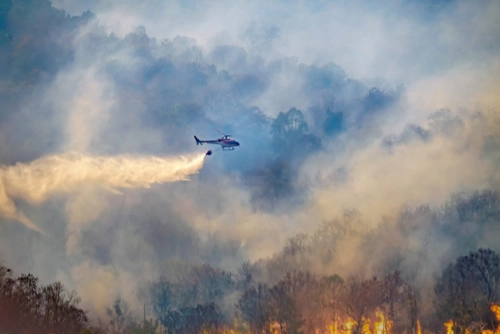 Our attorneys have obtained hundreds of millions of dollars in recoveries for fire victims harmed by the major wildfires across the State since 2015 caused by large corporations or utility companies.
- 2015 Butte Fire against PG&E (Butte County)
- 2017 Tubbs Fire against PG&E (Sonoma County)
- 2017 Redwood Valley Fire against PG&E (Mendocino County)
- 2017 Sulphur Fire against PG&E (Lake County)
- 2017/2018 Thomas Fire & Mudslides against SCE (Ventura and Santa Barbara Counties)
- 2018 Woolsey Fire against SCE (Ventura and Los Angeles Counties)
- 2018 Camp Fire against PG&E (Butte County)
- 2022 McKinney Fire against PacifiCorp (Siskiyou County)
- 2022 Mill Fire against Roseburg Forest Products Co. (Siskiyou County)
- 2022 Mosquito Fire against PG&E (El Dorado and Placer Counties)
- 2022 Hermit’s Peak/Calf Canyon Fire (New Mexico)
- 2023 Lahaina Wildfire (Hawaii)
- 2024 Airport Fire (Orange and Riverside Counties)
- 2024 Bridge Fire (Los Angeles and San Bernardino Counties)