
Is Social Media Addiction Harming Your Child?
Lawsuits are being filed against social media companies, including Meta Platforms, over claims that their platforms may contribute to addictive use and mental health harm in minors. If your child has experienced anxiety, depression, or behavioral changes linked to excessive social media use, you may have legal options.
Worry Free!
No upfront costs. You pay nothing unless we win.
What Is Meta Addiction?
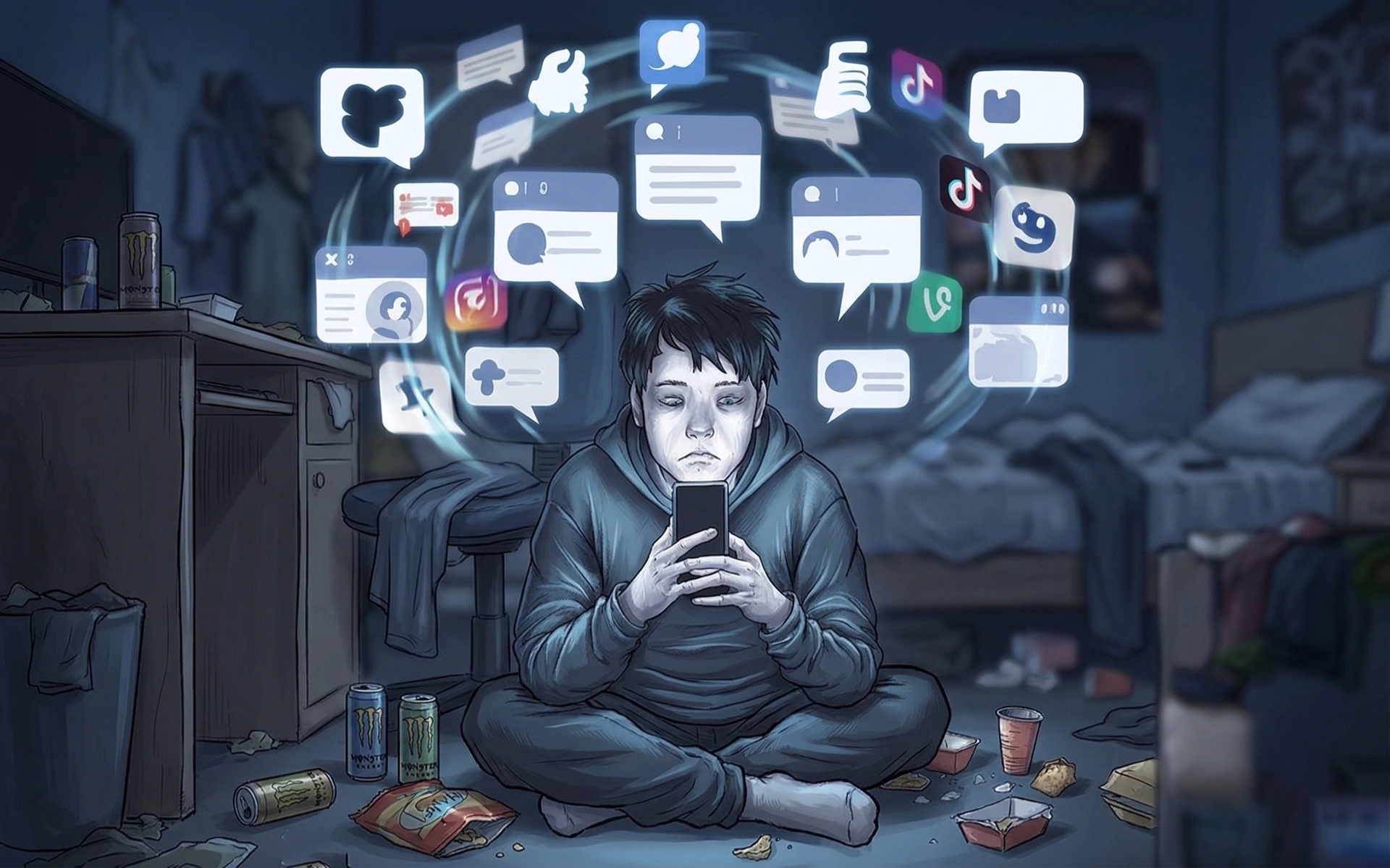
Meta addiction refers to compulsive and excessive use of social media platforms owned by Meta Platforms, including Facebook and Instagram, where users feel a strong urge to stay engaged despite negative effects on their mental health and daily life.
These platforms are designed to keep users scrolling, watching, and interacting through personalized content feeds, notifications, and engagement-driven features. For teens and children, this constant stimulation can lead to patterns of use that are difficult to control.
Over time, excessive use may contribute to behavioral changes, emotional distress, and increased reliance on social media for validation and connection.
Signs Your Child May Be Affected by Social Media Addiction
It can be difficult to tell when normal social media use crosses into something more serious. However, certain patterns and behaviors may indicate that a child is struggling with excessive or compulsive use.
Common signs may include:
- Spending large amounts of time on platforms like Facebook or Instagram
- Becoming anxious, irritable, or upset when unable to access social media
- Staying up late or losing sleep to continue scrolling or checking notifications
- Withdrawing from family, friends, or activities they once enjoyed
- Declining academic performance or difficulty concentrating
- Increased focus on likes, comments, or online validation
- Noticeable changes in mood, including anxiety, depression, or low self-esteem
In some cases, these behaviors may develop gradually, making them harder to recognize at first. Over time, however, the impact on a child’s emotional well-being and daily life may become more apparent.
If you’ve noticed these types of changes, it may be worth exploring whether social media use is playing a role.
Request a FREE Case Review
How Meta Platforms May Contribute to Addictive Use
Social media platforms operated by Meta Platforms, including Facebook and Instagram, are designed to maximize user engagement. Through advanced algorithms and behavioral design features, these platforms continuously deliver content tailored to each user’s interests—encouraging users to stay active for longer periods of time.
Features such as infinite scrolling, autoplay videos, push notifications, and personalized content feeds can create a cycle of continuous engagement. For younger users, this type of design may make it especially difficult to disconnect, even when use begins to interfere with sleep, school, or overall well-being.
In many cases, the platform adapts to user behavior, reinforcing patterns of use by delivering more of the content that keeps users engaged. This can lead to repeated exposure to similar types of content, which may influence mood, self-perception, and emotional health over time.
As concerns around social media addiction continue to grow, many legal claims are examining whether these design choices prioritize engagement over user safety—particularly when it comes to minors.
Meta Addiction Lawsuits Explained
Lawsuits involving Meta Platforms focus on whether the design and operation of its social media platforms may contribute to addictive use and resulting harm—particularly among minors and teenagers.
These cases generally examine how features such as algorithm-driven content, engagement-based rewards, and continuous notifications may influence user behavior over time. In some claims, it is alleged that these design elements can encourage prolonged use in ways that may negatively impact mental health and well-being.
Legal theories in these cases may include claims related to product design, failure to provide adequate warnings, or other forms of negligence. Because this area of litigation is still developing, courts are continuing to evaluate how these claims should be addressed.
Many of these lawsuits are brought by parents or guardians on behalf of their children, particularly when there is evidence of emotional or psychological harm linked to excessive social media use.
While every case is unique, the goal of this type of litigation is to better understand the relationship between platform design and user harm, and to determine whether companies can be held accountable under existing laws. It’s always best to consult with an experienced social media addiction law firm.

Do You Qualify for a Meta Addiction Lawsuit?
Determining whether you may qualify for a claim depends on several factors, including your child’s age, their use of social media platforms, and whether they have experienced measurable harm.
Most cases currently focus on minors and teenagers who have used platforms such as Facebook or Instagram and have shown signs of excessive or compulsive use along with emotional or behavioral changes.
You may want to consider a legal evaluation if your child:
- Is under the age of 18
- Spends significant time on Facebook, Instagram, or similar platforms
- Shows signs of compulsive or difficult-to-control use
- Has experienced anxiety, depression, sleep disruption, or other mental health concerns
- Has received medical, psychological, or school-related support related to these issues
Not every situation will meet the criteria for a claim, but patterns of prolonged use combined with documented harm may be an important factor.
Because this area of litigation is still evolving, speaking with a social media addiction lawyer can help clarify whether your specific situation may qualify and what options may be available.
Frequently Asked Questions
Can I sue Meta for my child’s social media addiction?
In some situations, parents may be able to pursue legal claims if a child has experienced harm linked to excessive or compulsive use of platforms like Facebook or Instagram. An attorney can help evaluate whether your situation may qualify.
What signs should I look for in my child?
Common signs may include excessive screen time, difficulty stopping use, sleep disruption, mood changes, anxiety, depression, and increased reliance on social media for validation.
What platforms are involved in these lawsuits?
Many cases involve platforms operated by Meta Platforms, including Facebook and Instagram, where design features may contribute to prolonged use.
How much does it cost to hire a lawyer for this type of case?
Most firms, including ER Trial Lawyers, handle these cases on a contingency fee basis. This means there are no upfront costs, and you only pay if compensation is recovered.
How do I find out if my child qualifies?
The best way to determine eligibility is to request a free case review. An attorney can evaluate your situation and explain your legal options based on the specific details of your case.
Find Out If Your Child May Qualify for a Meta Addiction Lawsuit
If your child has experienced anxiety, depression, behavioral changes, or other mental health challenges linked to excessive use of Facebook or Instagram, you may have the right to take legal action.
ER Trial Lawyers is actively reviewing claims involving social media addiction and harm to minors. Our team will evaluate your situation, explain your legal options, and help determine whether your child may qualify for a lawsuit.
- Free, confidential case evaluation
- No upfront costs
- No fees unless we recover compensation
- Speak directly with an attorney