
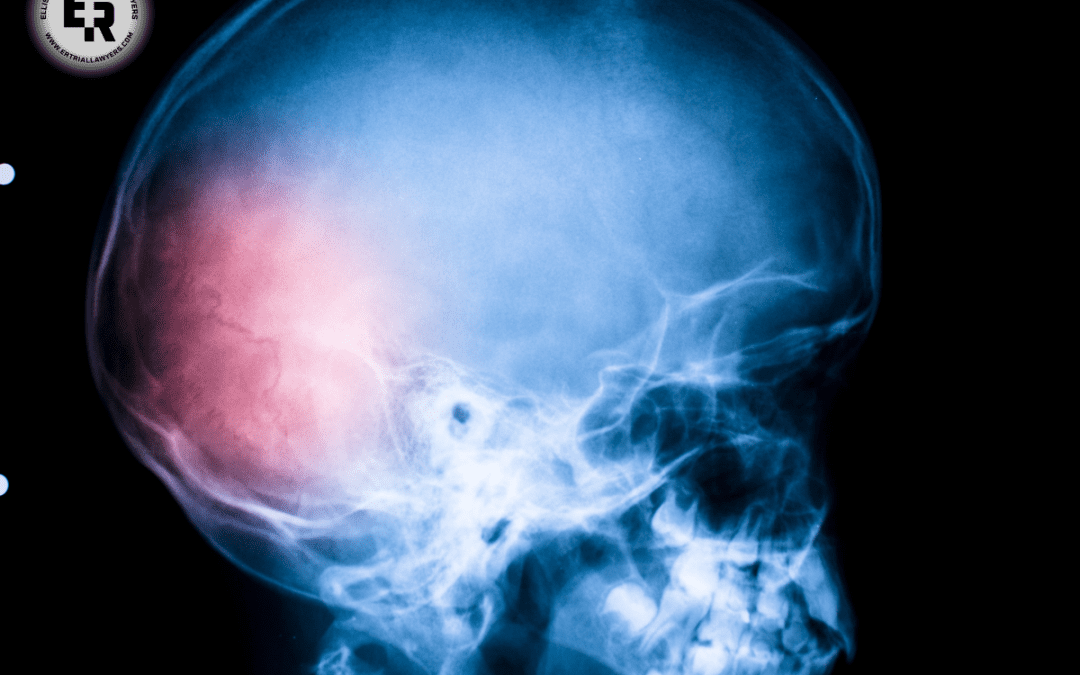
Cases in which the plaintiff has suffered a traumatic brain injury typically arise in the context of personal injury claims founded on negligence theory.
Negligence-based personal injury claims may include those arising from motor vehicle accidents, vehicle-pedestrian accidents, bicycle accidents, sports injuries, and injuries arising from a defective product or an assault.
There have been many advances in our understanding of brain injuries over the past twenty-five years, including the realisation that the brain is more susceptible to injury than previously thought.
It was previously believed that a person who did not lose consciousness could not have experienced a brain injury. We now know that this is not the case.
It was also previously perceived that no one with a normal MRI or CT.
The scan could have suffered a permanent brain injury, which we now know is not true.
Diagnosis
A traumatic brain injury diagnosis is based on one or more of the following criteria: loss of consciousness, memory loss for events immediately before or after the injury, confusion and disorientation, and neurologic signs such as a wound to the skull, seizures, or headache.
Brain imaging techniques such as computed tomography or magnetic resonance imaging (commonly referred to as CT scan and MRI, respectively) can sometimes capture signs of traumatic brain injury.
Compared with moderate or severe traumatic brain injuries, mild traumatic brain injuries can be challenging to diagnose because the acute symptoms and signs resolve quickly in most people, and there may not be a visible head wound to indicate injury.
In many cases, brain imaging is inconclusive and does not aid in diagnosis. Also, many people who incur a mild traumatic brain injury do not seek medical treatment.
Traumatic brain injuries are a leading cause of death and disability in children and adults in their most productive years.
An estimated 1.5 to 2 million head injuries occur every year in the United States, with only approximately 250,000 of those injured being admitted to the hospital.
Traumatic brain injuries result in approximately 50,000 to 60,000 deaths annually, and cause permanent neurological disabilities to an additional 70,000 to 90,000 people.
Traumatic brain injuries are costly in terms of both medical care and lost productivity of the injured person.
Costs reach approximately $100 billion annually in the United States alone.
Traumatic brain injuries are the leading cause of long-term disability among children and young adults, and have only begun to gain recognition as a significant public health problem.
Motor vehicle collisions are the most common cause of closed head injuries and are especially common in teenagers and young adults.
Falls are the next most significant cause of head injuries and are more common at the extremes of age.
What Are the Tests to Prove Brain Injury?
Brain injuries can be challenging to assess; however, the attorneys at Ellis Riccobono understand the medical testing and assessments needed to evaluate this condition.
The tests that are traditionally used to diagnose a traumatic brain injury include CT and MRI scans, EEGs, psychological tests, and blood tests.
Computerised tomography (CT) scans will provide detailed images of the brain and show haemorrhage (bleeding in the brain), contusions (bruised brain tissue), and hematomas (blood clots).
Magnetic resonance imaging (MRI) scans provide detailed images of the entire brain; psychological tests measure cognition and behaviour; EEGs measure brain activity; and blood tests measure chemical levels in the brain.
Why Do I Need an Attorney for My Brain Injury?
It is essential to consult with an attorney as soon as possible after the injury. The other parties involved will likely have attorneys, and you must have an attorney in your corner to balance things out or give you the upper hand.
One of the tasks the attorney will help you with right away is the preservation of evidence. It includes marshalling facts related to the event that caused the injury, such as witness names, written reports, video recordings, and the like.
An attorney can help ensure that proper care is provided.
Due to the nature of traumatic brain injuries, patients may need a group of treatment professionals outside of the medical staff directly treating the injury.
Rehabilitation nurses, recreational and occupational therapists, vocational counsellors, neuropsychologists, and speech therapists are examples of specialists who may be instrumental in restoring functions that were present before the injury.
The experienced attorneys at Ellis Riccobono LLP invite you to meet with them if you have any questions about the information above.
The legal experts at our firm have represented many clients who sustained traumatic brain injuries as a result of someone else’s negligence. We want to make sure you receive just compensation for the harm done to you.
Call (424) 901-1202 or email info@ertriallawyers.com today for a free consultation to learn what we can recover for you.