
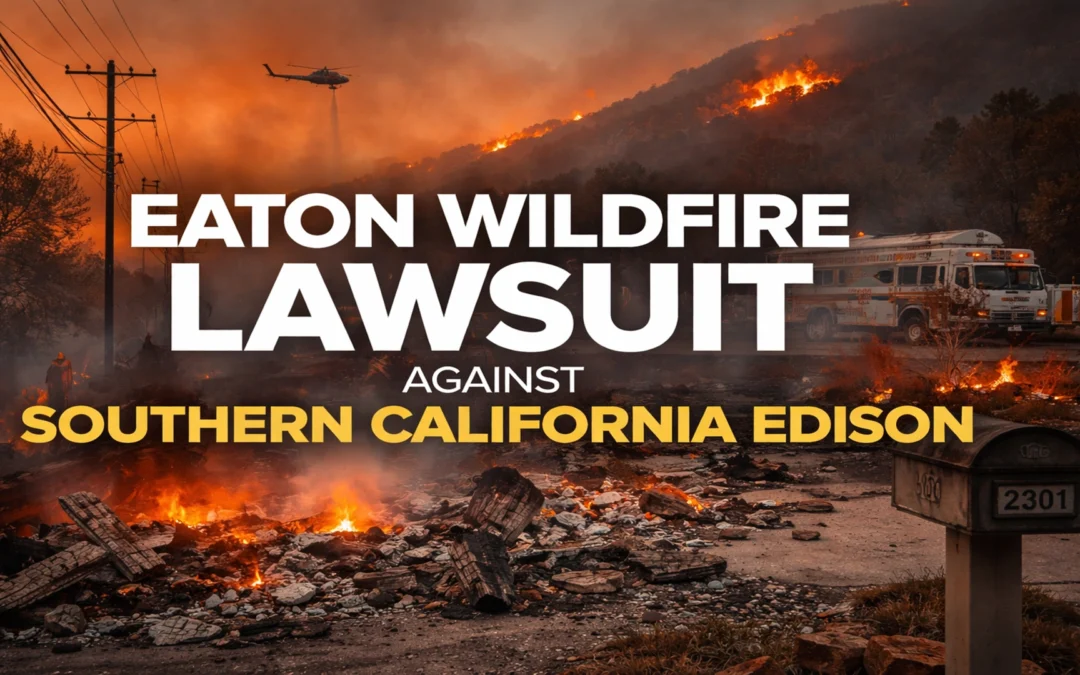
Overview of the Eaton Wildfire and Its Impact
The Eaton Wildfire has caused significant destruction across parts of Southern California, leaving many families, homeowners, and businesses facing devastating losses. Like many recent California wildfires, the Eaton Fire spread rapidly under dangerous weather conditions, forcing evacuations and destroying homes, vehicles, businesses, and personal property.
Wildfires of this scale can have lasting consequences that extend far beyond the immediate flames. Many victims experience displacement from their homes, long-term smoke damage to property, business interruption, and substantial financial strain while trying to rebuild their lives.
For affected residents, understanding what caused the Eaton Wildfire and who may be responsible is a critical part of the recovery process. In California, large wildfires are often subject to extensive investigations by fire authorities, engineers, and legal experts to determine whether equipment failures, infrastructure issues, or negligence may have contributed to the ignition or spread of the fire.
In many past wildfire disasters throughout the state, utility equipment has been identified as a contributing factor. Because electrical infrastructure runs through large portions of California’s wildfire-prone areas, power lines, transformers, and other utility equipment can sometimes become ignition sources when maintenance failures, vegetation contact, or equipment malfunction occurs.
As a result, investigators are closely examining whether equipment belonging to Southern California Edison may have played a role in the events that led to the Eaton Fire. Determining the cause of the fire is a critical step in identifying potential liability and ensuring that victims have access to the compensation they may be entitled to under California law.
For many victims, the financial losses associated with a wildfire can be overwhelming. Homes, businesses, vehicles, and personal belongings may be destroyed in a matter of minutes. Insurance coverage may not fully account for the true cost of rebuilding, relocation expenses, lost income, or the emotional impact of losing a home or community.
Because of these challenges, many wildfire victims seek legal guidance to understand their rights and options as investigations unfold.
What Legal Options Do Eaton Wildfire Victims Have?
Victims of the Eaton Wildfire may have the right to pursue compensation if investigations determine that utility equipment contributed to the fire. When electrical infrastructure owned by companies such as Southern California Edison is linked to a wildfire, property owners, renters, and businesses may pursue legal claims for property damage, evacuation costs, lost income, and other wildfire-related losses under California law.
What Caused the Eaton Wildfire? Ongoing Investigations
Determining the cause of a major wildfire like the Eaton Fire is a complex process that often takes months of technical investigation. Fire authorities, utility experts, engineers, and investigators examine multiple types of evidence to understand how and where the fire started and whether any equipment failures or negligent conditions contributed to the ignition.
Early wildfire investigations typically focus on identifying the point of origin, which is the location where the fire is believed to have started. Investigators analyze burn patterns, witness statements, weather conditions, and physical evidence at the scene. In many wildfire cases, utility infrastructure located near the ignition point becomes an important area of scrutiny.
In the Eaton Wildfire investigation, attention has been directed toward electrical infrastructure owned and operated by Southern California Edison, which provides power to large portions of Southern California. Utility companies operate extensive networks of power lines, poles, transformers, and other equipment that run through communities and wildland areas.
When electrical equipment is damaged, poorly maintained, or comes into contact with vegetation during high winds, it can create sparks capable of igniting dry vegetation. California has experienced multiple devastating wildfires in recent years where utility equipment was later identified as the source of ignition.
Because of this history, wildfire investigations involving utilities often examine factors such as:
- Whether electrical equipment malfunctioned or failed
- Whether power lines came into contact with trees or vegetation
- Whether proper vegetation management was performed near power lines
- Whether the utility company followed required wildfire safety protocols
- Whether weather conditions should have prompted preventative power shutoffs
Investigators may review inspection records, maintenance logs, engineering reports, and operational data from the utility’s electrical grid to determine whether equipment issues occurred around the time the fire began.
Establishing the cause of a wildfire is a critical step because it can determine whether legal liability exists. If utility equipment is found to have played a role in igniting the fire, affected property owners and businesses may have the right to pursue compensation for their losses under California law.
California has developed unique legal doctrines that allow wildfire victims to seek recovery from utility companies when infrastructure contributes to a fire. These laws are designed to protect communities by ensuring that companies responsible for maintaining large electrical systems operate them safely.
How Utility Companies Can Be Held Liable for Wildfires in California
When a wildfire is caused by electrical infrastructure, California law may allow victims to pursue compensation from the utility company responsible for maintaining that equipment. Wildfire liability cases involving utilities are governed by a combination of legal principles, including negligence and a doctrine known as inverse condemnation.
These legal frameworks are designed to ensure that companies operating large electrical systems take appropriate precautions to prevent fires and protect the communities they serve.
Negligence and Failure to Maintain Safe Infrastructure
Utility companies have a legal duty to operate and maintain their electrical equipment safely. This includes responsibilities such as:
- Inspecting power lines and electrical components
- Maintaining safe clearance between vegetation and power lines
- Repairing damaged or aging infrastructure
- Following wildfire prevention protocols during high-risk weather conditions
- Implementing safety measures such as power shutoffs when appropriate
If investigators determine that a utility company failed to take reasonable precautions and that failure contributed to the ignition or spread of a wildfire, the company may be held liable for resulting damages.
In many wildfire cases, investigators review maintenance records, inspection reports, vegetation management practices, and operational decisions made in the hours or days leading up to the fire.
Inverse Condemnation and Utility Responsibility
California also applies a legal principle known as inverse condemnation in certain wildfire cases involving utilities. Under this doctrine, a utility company may be held financially responsible for wildfire damages caused by its equipment—even if the company did not act intentionally.
The concept is rooted in the idea that when private property is damaged as a result of infrastructure that serves a public purpose, the cost of that damage should not fall solely on individual property owners.
As a result, if utility equipment is determined to have contributed to the Eaton Wildfire, affected property owners may be entitled to pursue compensation from the responsible company.
Why Wildfire Utility Cases Often Involve Extensive Litigation
Wildfires can impact hundreds or even thousands of homes, businesses, and properties. Because of the scale of the damage, utility wildfire cases often involve complex investigations and large numbers of claims.
These cases frequently require:
- Engineering analysis of electrical infrastructure
- Examination of utility maintenance practices
- Review of operational data from power systems
- Expert testimony regarding wildfire behavior and ignition sources
Because of the stakes involved, utility companies often vigorously defend these claims.
Understanding how utility liability works helps wildfire victims recognize why investigations into companies like Southern California Edison are so important following a major wildfire event.
Legal Rights of Eaton Wildfire Victims
Victims of the Eaton Wildfire may have important legal rights under California law, particularly if the fire is ultimately linked to utility equipment or other negligent conditions. When a wildfire causes property destruction, displacement, and financial losses, affected individuals and businesses may be entitled to pursue compensation through civil claims.
Wildfire-related legal claims are designed to help victims recover from the significant financial and personal impacts caused by these disasters.
Property Damage Claims
One of the most common types of wildfire claims involves damage to residential or commercial property. Victims may seek compensation for:
- Destroyed or severely damaged homes
- Structural damage to buildings
- Damage to garages, fences, and other structures
- Landscaping, trees, and outdoor improvements
In many cases, rebuilding costs can exceed insurance coverage, especially when construction costs rise after a major wildfire.
Personal Property Loss
Wildfires can destroy personal belongings within minutes. Victims may be able to pursue compensation for lost items such as:
- Furniture and household goods
- Electronics and appliances
- Clothing and personal effects
- Photographs, documents, and irreplaceable items
While insurance policies may cover some of these losses, coverage limits may not fully account for the value of everything lost.
Evacuation and Displacement Expenses
Many Eaton Wildfire victims were forced to evacuate their homes with little notice. Evacuations often lead to significant out-of-pocket costs, including:
- Temporary housing
- Hotel stays or rental accommodations
- Food and living expenses during displacement
- Storage costs and relocation expenses
These emergency expenses can add up quickly and may be recoverable in a wildfire claim.
Business and Income Losses
Wildfires can disrupt businesses for weeks or months. Business owners and employees may experience:
- Lost income due to closures
- Property damage to business facilities
- Supply chain disruptions
- Loss of customers or contracts
Business interruption losses are often an important component of wildfire-related claims.
Emotional and Personal Impact
Beyond financial losses, wildfires can cause significant emotional stress and trauma. Losing a home, community, or place of work can have long-lasting effects on individuals and families.
California law may allow victims to pursue compensation for certain non-economic damages associated with wildfire losses.
Because wildfire damage can affect so many aspects of daily life, determining the full scope of losses requires careful documentation and evaluation.
What Compensation May Be Available in an Eaton Wildfire Claim?
Wildfires often cause widespread and complex losses that extend far beyond the destruction of physical structures. When a wildfire is linked to utility equipment or negligent conditions, victims may be entitled to pursue compensation for a wide range of economic and personal losses.
Because each property, family, and business experiences wildfire damage differently, the value of a claim depends on the specific facts and losses involved.
Home and Structural Losses
For many Eaton Wildfire victims, the most significant loss involves damage to or destruction of their home. Compensation in wildfire claims may include:
- The cost to rebuild or repair the home
- Damage to garages, fences, and other structures
- Landscaping, trees, and outdoor improvements
- Increased construction costs due to post-fire demand
Rebuilding costs can sometimes exceed the limits of insurance coverage, particularly when building materials and labor become scarce following a major wildfire.
Personal Property Loss
Wildfires frequently destroy the contents of homes and businesses. Victims may seek compensation for lost or damaged personal property such as:
- Furniture and appliances
- Electronics and computers
- Clothing and household items
- Tools and equipment
- Valuable personal belongings
Documenting these losses can be an important part of preparing a wildfire claim.
Temporary Housing and Relocation Costs
Displacement following a wildfire can last months or even years. During this time, victims may incur significant relocation expenses, including:
- Temporary housing or rental costs
- Hotel stays during evacuation
- Moving and storage expenses
- Utility setup and relocation costs
These expenses are often part of wildfire recovery claims.
Lost Income and Business Interruption
Businesses affected by the Eaton Wildfire may experience substantial financial disruption. Compensation may include:
- Lost profits due to closures
- Damage to business equipment or inventory
- Costs associated with relocating or reopening a business
- Loss of contracts or customers
For employees who lost wages because of wildfire-related closures, lost income may also be considered.
Emotional Distress and Personal Losses
The destruction caused by wildfires often extends beyond physical damage. Families may lose homes filled with memories, personal items that cannot be replaced, and a sense of stability within their community.
California law may allow victims to pursue compensation for certain emotional and personal impacts resulting from wildfire losses.
Because wildfire claims can involve multiple categories of damages, careful documentation and legal evaluation are often necessary to determine the full extent of recoverable losses.
Why Utility Wildfire Cases Are Complex
Wildfires linked to utility infrastructure often involve large-scale investigations and complex litigation. Unlike smaller accident cases that involve only a few parties, wildfire claims can affect entire communities and result in hundreds or even thousands of individual claims.
Because of the scale of damage and the technical issues involved, these cases require extensive analysis, expert testimony, and detailed investigation.
Investigating Electrical Infrastructure
Determining whether utility equipment contributed to a wildfire requires specialized engineering analysis. Investigators often examine:
- Power line equipment near the ignition area
- Maintenance and inspection records
- Vegetation management practices
- Electrical system data recorded around the time of the fire
- Weather conditions and wind events
Electrical engineers and wildfire experts may analyze how equipment behaved before and during the fire to determine whether a malfunction or safety failure occurred.
Large-Scale Property Damage Claims
Wildfires can destroy homes, businesses, vehicles, and infrastructure across large geographic areas. Because so many people may be affected, claims often involve:
- Multiple homeowners and renters
- Businesses and commercial properties
- Insurance companies seeking reimbursement
- Government agencies investigating the fire
This scale of damage makes wildfire litigation far more complex than typical individual property damage cases.
Extensive Legal and Technical Evidence
Wildfire claims involving utility companies often require review of large volumes of documents and data. Legal teams may analyze:
- Utility inspection reports
- Internal company communications
- Safety and compliance records
- Historical maintenance practices
- Expert analysis of fire behavior
Expert witnesses may include electrical engineers, fire investigators, economists, and construction specialists.
Experience Handling Utility Wildfire Litigation
Because of the complexity of these cases, experience with utility wildfire litigation can be important. Over the past decade, ER Trial Lawyers has recovered more than $1.7 billion for victims of wildfires caused by utility companies.
These cases require a deep understanding of both the technical issues surrounding electrical infrastructure and the legal frameworks that govern wildfire liability in California.
Community Meetings for Eaton Wildfire Victims
In the aftermath of a major wildfire, many victims are left with urgent questions about what caused the fire, how investigations are progressing, and what legal rights they may have moving forward. Understanding these issues can be challenging, particularly while families are still dealing with displacement, insurance claims, and rebuilding efforts.
To help provide information and guidance during this process, ER Trial Lawyers hosts four community meetings each month for individuals and families affected by the Eaton Wildfire.
These informational meetings are designed to give wildfire victims an opportunity to learn more about the ongoing investigation and the legal options that may be available to them.
What Victims Can Learn at These Meetings
During the meetings, attendees can receive updates and information about topics such as:
- The status of the Eaton Wildfire investigation
- Potential involvement of utility infrastructure
- How wildfire claims against utilities typically work
- Steps victims can take to protect their rights
- The role of insurance and how it interacts with wildfire claims
These sessions are intended to provide clarity and help victims understand the claims process without pressure or obligation.
Opportunity to Ask Questions
Community meetings also provide a space where victims can ask questions about issues that may be affecting them personally, including:
- Insurance coverage concerns
- Property damage documentation
- Business losses related to the wildfire
- Potential timelines for wildfire litigation
Because wildfire investigations and legal claims can be complex, many victims find it helpful to receive information directly from attorneys experienced in wildfire litigation.
Staying Informed During the Investigation
Wildfire investigations often take time, and new information may emerge as experts review evidence, analyze electrical infrastructure, and examine records from utility companies such as Southern California Edison.
Regular informational meetings allow victims to stay informed as the investigation progresses and understand how new developments may affect potential legal claims.
Steps Eaton Wildfire Victims Should Take to Protect Their Rights
In the weeks and months following a wildfire, many victims are focused on immediate recovery—finding temporary housing, working with insurance companies, and beginning the long process of rebuilding. While these priorities are understandable, taking certain steps early can also help protect legal rights and ensure that losses are properly documented.
Wildfire claims often depend on detailed records of damage, expenses, and communications with insurance providers.
Document Property Damage
One of the most important steps victims can take is to thoroughly document damage caused by the wildfire. This may include:
- Photographs or video of damaged structures and property
- Lists of destroyed personal belongings
- Estimates for repairs or rebuilding costs
- Documentation of landscaping or outdoor property losses
Even if insurance adjusters have already visited the property, maintaining independent documentation can be helpful.
Keep Records of All Expenses
Wildfire evacuations and displacement often lead to significant out-of-pocket expenses. Victims should keep records of costs related to:
- Temporary housing or rental properties
- Hotel stays during evacuation
- Food and daily living expenses
- Moving and storage costs
- Replacement of essential items
These expenses may be recoverable as part of a wildfire claim.
Preserve Insurance Communications
Insurance companies typically become the first point of contact after a wildfire. It can be helpful for victims to maintain copies of:
- Insurance claim submissions
- Emails and letters from insurance adjusters
- Estimates or settlement offers
- Policy documents and coverage explanations
Insurance coverage can be an important part of wildfire recovery, but policies may not fully compensate for all losses.
Avoid Rushing Into Settlements
Wildfire damage is often more extensive than initially realized. Structural issues, smoke damage, and rebuilding costs can become clearer over time. Because of this, victims should be cautious about accepting early settlement offers before the full scope of losses is understood.
Stay Informed About the Investigation
As investigators continue examining the cause of the Eaton Wildfire, new information may emerge regarding potential liability. Monitoring updates and understanding how the investigation progresses can help victims make informed decisions about their options.Learn about the Eaton Wildfire investigation, potential liability involving Southern California Edison, and the legal rights available to victims seeking compensation for wildfire damages.
Community meetings hosted by ER Trial Lawyers provide one way for victims to stay informed about developments and learn more about the claims process.
Frequently Asked Questions About Eaton Wildfire Claims
Wildfire victims often have many questions about their legal rights, insurance coverage, and the investigation into the cause of the fire. Below are answers to some common questions individuals affected by the Eaton Wildfire may have as they evaluate their options.
If investigators determine that utility equipment contributed to the Eaton Wildfire, property owners and businesses affected by the fire may have the right to pursue compensation through civil claims. These cases often involve claims against companies responsible for maintaining electrical infrastructure, such as Southern California Edison.
Insurance policies may help cover some wildfire-related damages, but coverage limits or exclusions sometimes leave victims with substantial uncovered losses. In situations where a utility company is found responsible for the fire, victims may pursue additional compensation through legal claims.
Wildfire litigation often takes time because investigations must determine the cause of the fire and identify responsible parties. Once lawsuits are filed, cases may involve extensive evidence review, expert testimony, and negotiations. While timelines vary, large wildfire cases frequently take several years to resolve.
No. Wildfire investigations are often conducted by fire authorities, engineers, and legal teams working to determine the ignition source. Victims can seek legal guidance while investigations are ongoing to better understand their rights and potential options.
Wildfire claims may involve a variety of damages, including property destruction, personal property loss, temporary housing costs, lost income, and other expenses related to displacement and recovery.
Victims can stay informed by following official investigation updates and attending informational meetings hosted by ER Trial Lawyers, which are held four times each month to provide updates and answer questions for affected residents.
Get Legal Guidance for Eaton Wildfire Claims
Recovering from a wildfire can be overwhelming. In addition to the emotional toll of losing homes, businesses, and personal belongings, many victims face complicated insurance claims, rebuilding decisions, and uncertainty about whether a responsible party may be held accountable.
If investigations ultimately determine that utility equipment contributed to the Eaton Wildfire, affected residents and businesses may have the right to pursue compensation for their losses under California law. These cases often involve complex investigations and require a detailed understanding of wildfire litigation and utility liability.
At ER Trial Lawyers, our team represents victims of catastrophic wildfires across California. Over the past decade, we have recovered more than $1.7 billion for victims of wildfires caused by utility companies, helping families and businesses rebuild after devastating losses.
To help Eaton Wildfire victims stay informed, ER Trial Lawyers also hosts four informational community meetings each month. These meetings provide updates on the ongoing investigation, explain how wildfire claims work, and allow affected residents to ask questions about their rights and the recovery process.
If you were affected by the Eaton Wildfire and would like to learn more about your legal options, you may contact ER Trial Lawyers to schedule a consultation. Our team can help review your situation, explain how wildfire claims work, and discuss the next steps available to you.
You do not have to navigate wildfire recovery alone.